Conium Maculatum in Homeopathy – Uses, Benefits, Potencies & Side Effects


What Is Conium Maculatum in Homeopathy?
Conium Maculatum is prepared from the entire fresh flowering plant of Conium maculatum – roots, leaves, stems, and flowers – through alcoholic maceration and successive homeopathic potentization. In its crude form, poison hemlock is lethally toxic, causing ascending motor paralysis that ultimately arrests respiration. Through potentization, this toxicological action is transmuted into a curative power that addresses the very disease states that mirror its crude effects.
The central therapeutic theme of Conium is progressive degeneration with hardening and infiltration. Where pathology is slowly, relentlessly advancing – glands becoming hard and stony, nerves losing function in a creeping ascent, tissues undergoing malignant change – Conium Maculatum intervenes at the deepest constitutional level.
Its most defining characteristics are:
- Hard, stony, painless glandular enlargements – breast, prostate, lymph nodes, thyroid
- Ascending paralysis – weakness begins in the legs and moves upward
- Dizziness from turning the head or eyes – a highly specific and diagnostic keynote
- Suppressed sexual desire or its opposite – excessive, ungratified sexual urge
- Premature aging and debility – especially in those who have suffered prolonged celibacy or sexual grief
- Intermittent flow of urine – stream stops and starts, especially in prostatic disease
- Extreme sensitivity of breasts before and during menstruation
- Mental and physical weakness in the elderly with indifference and slow mental processing

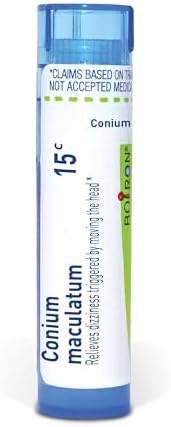
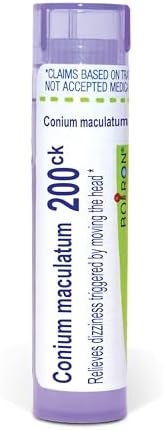

Conium Maculatum – Key Therapeutic Profile
| Category | Details |
|---|---|
| Source | Conium maculatum (Poison Hemlock) – entire fresh flowering plant |
| Kingdom | Plant (Apiaceae / Umbelliferae family) |
| Miasm | Psora, Sycosis, Cancer miasm |
| Thermal State | Chilly remedy |
| Key Sensation | Hardness, numbness, heaviness, ascending weakness |
| Sphere of Action | Glands, nervous system, reproductive organs, urinary system, eyes |
| Constitution | Elderly, debilitated, glandular types; those with suppressed sexuality or grief |
| Complementary Remedies | Baryta Carbonica, Phosphorus, Arsenicum Album, Psorinum |
| Inimical Remedies | Coffea, Caustic |
Conium Maculatum 30 – Uses and Benefits
Conium Maculatum 30C is the standard entry potency for sub-acute and early chronic presentations. It is prescribed when the characteristic keynotes are present but the pathology has not yet become deeply entrenched or malignant.
Boiron's Best Value Kit: 32 Tubes, 48 Oscillo Doses, All-Season Ready
> 32 assorted 6c/30c tubes, 48 Oscillococcinum doses (4x standard), blue storage drawers, Easy Guide included. Boiron — trusted since 1932. All-season ready.
Buy From Amazon As an Amazon Associate I earn from qualifying purchases.Primary Uses of Conium Maculatum 30
1. Glandular Enlargements – Early Stage
- Hard, painless enlargement of lymph nodes – cervical, axillary, inguinal – that are stony to touch and not freely mobile.
- Early-stage breast lumps – hard, painless nodules in the breast tissue with extreme tenderness before menstruation.
- Thyroid enlargement (goiter) in early stages with hardness and nodularity.
- Glandular swellings following injury, contusion, or suppressed inflammation.
2. Breast Complaints
- Extreme sensitivity and tenderness of breasts before and during menstruation – breasts become swollen, hard, and exquisitely tender.
- Breast tumors and cysts – hard, stony masses in the breast that are painless between periods but agonizingly tender premenstrually.
- Mastodynia – cyclical breast pain with hardness and nodularity.
- One of the most important remedies in the homeopathic approach to fibrocystic breast disease.
3. Prostate Complaints – Early
- Benign prostatic hyperplasia (BPH) in early stages – difficulty initiating urination, intermittent stream.
- Intermittent urine flow – the stream starts, stops, starts again – one of the most specific urinary keynotes of Conium.
- Dribbling after urination with incomplete emptying of the bladder.
- Prostate enlargement with sexual weakness and loss of libido.
4. Vertigo and Dizziness
- Vertigo from turning the head sideways – one of the most characteristic keynotes of Conium Maculatum.
- Dizziness when turning eyes to look sideways or when lying down and turning over in bed.
- Vertigo in elderly patients with associated weakness and mental dullness.
- Dizziness that is worse looking upward or when getting up from a seated position.
5. Nervous System Complaints
- Numbness and weakness beginning in the lower extremities and moving upward – mirroring the ascending paralysis of crude hemlock poisoning.
- Trembling and weakness of limbs in elderly patients.
- Neuralgic pains that come and go suddenly, often associated with glandular complaints.
6. Sexual Complaints
- Suppressed sexual desire in persons who have practiced prolonged celibacy – especially when physical and mental deterioration follows this suppression.
- Excessive, ungratified sexual desire in both males and females – especially widows, widowers, and those with grief-related sexual suppression.
- Involuntary seminal emissions without erection or excitement – with subsequent great weakness.
- Erectile dysfunction with complete loss of sexual power in aging males.
7. Cough
- Dry, irritating, spasmodic cough that is worse lying down, worse at night, and is associated with tickling in the throat.
- Cough that is constant and exhausting with little or no expectoration.
- Often seen in elderly patients or those with chronic glandular disease.
8. Eye Complaints
- Photophobia – extreme sensitivity to light that is characteristic and long-standing.
- Weakness of eye muscles – difficulty moving eyes sideways; vision becomes blurred on lateral gaze.
- Cataracts in elderly patients with the Conium constitution.
Dosage of Conium Maculatum 30
- Glandular complaints and breast tumors: Twice daily for 3–4 weeks; reassess with practitioner.
- Vertigo: 3 times daily for 1–2 weeks or until clear improvement.
- Prostate (early BPH): Twice daily for 4–6 weeks under supervision.
- Sexual debility: Twice daily for 2–4 weeks; constitutional assessment recommended.
- Always reassess after each course and avoid indefinite unsupervised use.
Conium Maculatum 200 – Uses and Benefits
Conium Maculatum 200C is indicated when complaints are deeper, more established, or when 30C has given only partial and temporary relief. At this potency, Conium reaches into established glandular pathology, moderate neurological degeneration, and constitutional sexual debility.
Primary Uses of Conium Maculatum 200
1. Established Breast Tumors and Fibrocystic Disease
- Breast tumors that are hard, stony, and clearly defined – not yet malignant but showing progressive hardening.
- Fibrocystic breast disease with multiple hard nodules, cyclical pain, and premenstrual aggravation that has persisted despite 30C treatment.
- Post-traumatic breast tumors – lumps that appeared after a blow or contusion to the breast – a specific and important Conium indication.
- Breast tumors with associated axillary lymph node enlargement.
2. Advanced Prostatic Disease
- Established BPH with significant urinary obstruction, intermittent stream, dribbling, and incomplete bladder emptying.
- Prostatitis with hard, nodular prostate on examination, pelvic pain, and sexual dysfunction.
- Prostate cancer (supportive homeopathic care) – Conium 200 is one of the primary remedies considered in the constitutional homeopathic management of prostate malignancy under experienced supervision.
- Sexual dysfunction associated with prostatic disease – loss of libido, erectile failure, and involuntary emissions.
3. Progressive Paralysis and Neurological Degeneration
- Multiple sclerosis – ascending weakness, heaviness, and numbness of lower limbs that is slowly progressing.
- Parkinson’s disease – trembling, weakness, and rigidity with associated mental dullness in the Conium constitution.
- Post-stroke paralysis with ascending weakness pattern.
- Peripheral neuropathy – numbness, tingling, and progressive weakness beginning in the feet and ascending.
4. Malignant and Pre-Malignant Glandular States
- Cancer of the breast, prostate, lymph nodes, or stomach where the Conium picture is constitutionally clear – as a supportive remedy in integrative oncology under experienced practitioner management.
- Scirrhous carcinoma – hard, stony, fixed tumors with little pain and slow, relentless growth.
- Lymphoma – hard, painless, progressive lymph node enlargement following the Conium glandular pattern.
5. Severe Vertigo
- Vertigo so intense that the patient cannot turn the head without falling or severe nausea.
- Vertigo with associated vomiting and extreme prostration from head movement.
- Chronic, persistent vertigo in elderly patients that has not responded to 30C.
6. Testicular Disease
- Orchitis (testicular inflammation) with hardening and induration of the testis – especially following mumps or injury.
- Testicular tumors – hard, painless induration of the testis – Conium is a primary consideration in the homeopathic approach under experienced supervision.
- Epididymitis with gradual hardening and nodularity.
7. Uterine and Ovarian Pathology
- Uterine fibroids with associated menstrual irregularity and pelvic heaviness.
- Ovarian cysts – hard, slowly enlarging cysts with cyclical pain.
- Cervical induration – hardening of the cervix detected on examination.
8. Stomach and Pyloric Disease
- Pyloric stenosis – hardening and narrowing at the pylorus causing projectile vomiting.
- Gastric carcinoma (supportive) – hard, stony gastric tumor with cachexia and extreme weakness.
- Difficulty swallowing with hardening sensation in the esophagus.
Dosage of Conium Maculatum 200
- Established breast or prostatic pathology: Once daily for 5–7 days; then once weekly for 4–6 weeks under supervision.
- Neurological degeneration: Once or twice weekly under close practitioner supervision.
- Malignant pathology (supportive): Strictly under experienced homeopathic physician direction – dosing highly individualized.
- Never self-prescribe Conium 200 for tumors or malignancies – professional evaluation is mandatory.
Conium Maculatum Q (Mother Tincture) – Uses and Benefits
Conium Maculatum Q (Mother Tincture) is used primarily as an adjunctive internal therapy under strict practitioner prescription. Unlike some Mother Tinctures with safe topical applications, Conium Q is derived from a highly toxic plant and requires careful professional oversight for all use.
Primary Uses of Conium Maculatum Q
1. Chronic Glandular Support (Internal – Practitioner Only)
- Low-dose Conium Q prescribed by experienced practitioners for long-standing glandular enlargements where the potentized forms are being used concurrently.
- Used as part of a comprehensive homeopathic protocol for fibrocystic breast disease and BPH.
2. Neurological Support (Internal – Practitioner Only)
- In carefully calibrated low doses for chronic neurological degeneration – peripheral neuropathy, progressive muscular weakness, and early Parkinson’s-type presentations.
3. Combination Formulas
- Conium Q is an ingredient in some compound homeopathic formulations for glandular, prostatic, and neurological conditions sold as combination remedies.
- These combination products have their own standardized dosing – follow label directions and practitioner advice.
4. Palliative Supportive Care
- Under strict oncology-trained homeopathic practitioner supervision, Conium Q in calibrated doses may be included in palliative protocols for glandular malignancies.
Dosage of Conium Maculatum Q
- Standard low dose: 5–10 drops in half a cup of water, once or twice daily – strictly as prescribed by a qualified practitioner.
- Never self-prescribe Conium Q – the Mother Tincture retains significant pharmacological activity from one of the most toxic plants in Europe and North America.
- Never use topically – Conium Q has no established safe topical application and skin absorption of hemlock alkaloids is dangerous.
⚠️ Critical Safety Warning: Conium Maculatum Mother Tincture is prepared from poison hemlock – one of the most toxic plants known. Unlike most homeopathic Mother Tinctures, Conium Q must never be self-prescribed, used without professional supervision, or applied externally. Overdose or misuse can cause ascending motor paralysis and respiratory failure. Keep all Conium preparations securely stored away from children. In case of accidental ingestion of any quantity of Conium Q, seek emergency medical attention immediately.
Conium Maculatum 1M – Uses and Benefits
Conium Maculatum 1M is the highest potency addressed in this guide and is reserved exclusively for deep constitutional prescribing in complex, long-standing, and serious pathological states. It is the potency of last resort in the Conium scale for constitutional management of degenerative, malignant, and severely debilitated states.
Primary Uses of Conium Maculatum 1M
1. Deep Constitutional Glandular Degeneration
- Patients with a lifelong constitutional tendency toward glandular pathology – repeated hard swellings, multiple cysts, progressive induration across different organs and tissues.
- The cancer miasm is clearly manifest: stony hardness, slow progression, painlessness, and progressive cachexia.
2. Established and Inoperable Malignancies
- As a constitutional supportive remedy in integrative oncology for breast carcinoma, prostate carcinoma, lymphoma, and gastric carcinoma where the Conium picture is constitutionally clear.
- Aims to improve quality of life, reduce cachexia, support vital force, and potentially slow malignant progression.
- Never as a replacement for conventional oncological evaluation and treatment – always as an adjunct under dual supervision of oncologist and experienced homeopathic physician.
3. Severe Progressive Neurological Disease
- Advanced multiple sclerosis, Parkinson’s disease, and motor neuron disease where ascending weakness, paralysis, trembling, and mental deterioration have progressed despite lower potency treatment.
- Conium 1M addresses the deepest constitutional layer of neurological degeneration.
4. Constitutional Sexual Degeneration
- Long-standing, severe sexual debility – complete impotence, atrophy of sexual organs, or conversely, unremitting sexual obsession – that has persisted for years and has not responded to lower potencies.
- Especially where this sexual degeneration has been associated with profound physical and mental decline.
5. Premature Aging and Senile Decay
- Patients who have aged prematurely – physically and mentally – with characteristic Conium features: weakness ascending from below, mental dullness, indifference, glandular hardness, and vertigo.
- The senile constitution of Conium: trembling, weak, slow, with stony glands and ascending paralysis.
6. Post-Grief Constitutional Damage
- Patients whose physical and mental health has deteriorated profoundly following bereavement, romantic loss, or prolonged grief – especially when this grief was associated with sexual suppression.
- Conium 1M addresses the deep constitutional damage that grief and suppressed desire have wrought over years.
Dosage of Conium Maculatum 1M
- Single dose (3–5 pills), once every 4–6 weeks or as directed by an experienced practitioner.
- Absolute patience required – Conium 1M acts deeply and slowly; improvement may not be apparent for weeks to months.
- Never repeat without clear practitioner reassessment – allow full inter-dose period to elapse.
- Strictly under the supervision of a highly experienced homeopathic physician – preferably one with training in cancer miasm management.
Conium Maculatum – Complete Potency Selection Guide
| Condition | Recommended Potency |
|---|---|
| Early glandular swellings | Conium 30 |
| Breast lumps and fibrocystic disease | Conium 30 or 200 |
| Premenstrual breast tenderness and nodularity | Conium 30 |
| Early BPH with intermittent stream | Conium 30 |
| Vertigo from head turning | Conium 30 or 200 |
| Early sexual debility | Conium 30 |
| Dry spasmodic cough (elderly) | Conium 30 |
| Established breast tumors | Conium 200 |
| Advanced prostatic disease | Conium 200 |
| Post-traumatic breast induration | Conium 200 |
| Progressive neurological degeneration | Conium 200 or 1M |
| Testicular induration / orchitis hardening | Conium 200 |
| Uterine fibroids and ovarian cysts | Conium 200 |
| Adjunct internal glandular support | Conium Q (practitioner only) |
| Deep constitutional glandular pathology | Conium 1M |
| Malignant disease (supportive integrative) | Conium 1M |
| Severe progressive paralysis | Conium 1M |
| Constitutional premature aging | Conium 1M |
| Post-grief constitutional degeneration | Conium 1M |
Conium Maculatum – Characteristic Keynotes and Symptoms
Accurate prescribing requires precise identification of Conium’s distinctive keynotes:
Cardinal Physical Keynotes
- Hard, Stony, Painless Glandular Enlargement: The glands – breast, prostate, lymph nodes, testes – become stone-hard, well-defined, and largely painless between acute episodes.
- Vertigo from Lateral Head Movement: Dizziness triggered specifically by turning the head sideways, moving eyes laterally, or turning over in bed – one of the most specific keynotes in the entire materia medica.
- Ascending Paralysis: Weakness, heaviness, and numbness that begin in the feet and legs and slowly travel upward – mirroring hemlock poisoning.
- Intermittent Urine Stream: The flow of urine stops and starts repeatedly during a single void – pathognomonic of Conium’s prostatic action.
- Extreme Premenstrual Breast Tenderness: Breasts become swollen, hard, and exquisitely painful before menstruation even when lumps are painless at other times.
- Photophobia: Intense, persistent sensitivity to light – patient avoids bright rooms and sunlight.
- Post-Traumatic Glandular Induration: Hard glandular lumps appearing after injury or contusion – a specific and clinically valuable keynote.
- Involuntary Seminal Emission: Emissions occurring without erection, without sexual excitement, and without dreams – followed by extreme prostration and weakness.
- Mental Dullness and Indifference: Slow, difficult thinking; poor memory; apathy and indifference to life – especially in elderly or debilitated patients.
- Weakness from Sexual Excess or Suppression: Both extremes – those who have exhausted themselves sexually and those who have strictly suppressed sexuality for religious or other reasons – show the Conium degeneration picture.
Aggravations (Worsening Factors)
- Turning the head sideways or looking sideways
- Lying down (vertigo and cough worsen)
- Cold and damp weather
- Before and during menstruation (breast symptoms)
- Sexual excess or prolonged celibacy
- Mental exertion
- Touch and pressure on glandular areas
- Evening and night
Ameliorations (Relieving Factors)
- Letting the affected limb hang down
- Moving slowly and carefully
- Warmth and warm applications
- Dark room (photophobia relief)
- Fasting (some digestive symptoms)
- Continued motion (gradual amelioration with slow movement)
Conium Maculatum – Mental and Emotional Profile
The mental picture of Conium is as important as its physical keynotes, especially for constitutional prescribing:
- Progressive mental dullness: Thinking becomes slow, labored, and inaccurate; memory deteriorates progressively.
- Indifference and apathy: Loss of interest in life, family, occupation, and previously enjoyed activities.
- Aversion to society: Does not want company; prefers isolation and quiet.
- Sadness and depression from grief, loss, or sexual suppression – particularly after the death of a partner or following romantic heartbreak.
- Fearfulness: Fear of being alone yet aversion to company – a contradictory anxiety state.
- Religious melancholy: Depression colored by religious guilt, especially in those who have suppressed sexuality for religious reasons.
- Premature mental aging: Mind feels old, slow, and worn out before its time.
- Fixed ideas: Persistent, unwanted thoughts that the patient cannot shake – particularly relating to past grief or moral concerns.
These mental symptoms make Conium an important remedy not just for physical pathology but for the psychosomatic degeneration seen in those whose emotional and sexual lives have been profoundly disrupted.
Conium Maculatum – Specific Clinical Applications
Conium Maculatum for Breast Tumors
This is perhaps the most widely known and clinically significant use of Conium in modern homeopathic practice. The breast tumor that calls for Conium is hard, stony, and well-defined – it feels like a small marble or pebble within the breast tissue. It is largely painless most of the time but becomes exquisitely tender and swollen before each menstrual period. The tumor may have appeared after a blow or injury to the breast – this traumatic origin is a specific Conium keynote. Axillary lymph nodes may be palpably enlarged and hard.
Conium 30 addresses early fibrocystic changes and small, well-defined lumps. Conium 200 is indicated for established, larger, or more indurated masses. Conium 1M is reserved for constitutional management in cases with malignant potential or confirmed malignancy under experienced integrative supervision. Conium is most effective in premenopausal women but is also indicated in postmenopausal breast pathology.
Conium Maculatum for Prostate Disease
The prostate complaint of Conium centers on hard, nodular prostatic enlargement with the characteristic intermittent urine stream – the flow stops and starts repeatedly during voiding. There is difficulty initiating urination, dribbling after voiding, and a sense of incomplete bladder emptying. Sexual function declines in parallel – libido decreases, erections fail, and involuntary emissions occur. In advanced cases, the prostate becomes stone-hard and fixed – the clinical picture of prostatic carcinoma. Conium 30 for early BPH; Conium 200 for established BPH and early malignant change; Conium 1M for constitutional management of prostatic malignancy under integrative oncological care.
Conium Maculatum for Vertigo
The vertigo of Conium is so specific that its presence alone strongly suggests the remedy even without other keynotes. Turning the head sideways – even slightly – produces immediate dizziness, nausea, and a sense of falling. The same occurs when moving the eyes laterally without moving the head. Turning over in bed produces severe vertigo. This is distinct from the vertigo of Gelsemium (which accompanies flu-like states), Cocculus (motion sickness), or Phosphorus (vertigo with fasting). When this specific turning-head vertigo is present, Conium should be strongly considered regardless of other symptoms.
Conium Maculatum for Paralysis
The paralytic action of Conium is ascending – beginning in the feet and legs and progressing upward, exactly as crude hemlock poisoning progresses. The limbs feel heavy, weak, and numb. Walking becomes difficult. In advanced states, the hands and arms are affected. This pattern makes Conium a key remedy in the homeopathic approach to multiple sclerosis, Parkinson’s disease, and progressive motor neuron conditions where the ascending pattern is present. Conium 200 and 1M are the primary potencies for neurological degeneration.
Conium Maculatum for Sexual Debility
Conium addresses the extremes of sexual function – both suppression and excess. In those who have practiced strict celibacy (particularly for religious reasons), the suppressed sexual energy slowly undermines physical and mental health – glands enlarge, paralytic weakness develops, and the mind becomes dull and depressed. In those who have overindulged sexually, a different but parallel degeneration occurs – weakness, involuntary emissions, and progressive loss of vitality. Widows and widowers who suffer profound physical and mental decline after years of normal sexual life followed by sudden celibacy represent a classic Conium constitutional picture.
Conium Maculatum for the Elderly
Conium is one of the most important remedies for the deteriorating elderly patient – alongside Baryta Carbonica and Calcarea Carbonica. The elderly Conium patient presents with: trembling weakness of the legs, vertigo on head movement, mental dullness and forgetfulness, hard glandular swellings, intermittent urine flow (men), and progressive loss of physical vitality. They may have a history of significant grief or sexual suppression. Conium 200 or 1M in constitutional doses addresses the deep degenerative process in these patients.
Conium Maculatum vs. Similar Remedies – Comparative Table
| Feature | Conium | Baryta Carb | Calcarea Carb | Arsenicum Album |
|---|---|---|---|---|
| Glandular Action | Hard, stony, painless – primary remedy | Hard glands in children/elderly | Soft, doughy glands | Burning, hard in malignancy |
| Paralysis | Ascending from below | Less specific | Less specific | Weakness from exhaustion |
| Vertigo | From turning head sideways | Less specific | From height (looking up) | From fear and anxiety |
| Constitution | Elderly, debilitated, sexual suppression | Timid, childlike elderly | Chilly, sweating, obese | Anxious, restless, fastidious |
| Mental State | Dull, indifferent, slow | Cowardly, childish | Slow, stubborn | Anxious, restless, fearful |
| Sexual Sphere | Suppression and excess both | Underdeveloped | Less specific | Weakness from exhaustion |
| Urine | Intermittent stream (prostatic) | Less specific | Milky, profuse | Scanty, burning |
| Malignancy | Strong affinity – cancer miasm | Less direct | Less direct | Supportive in any malignancy |
| Breast | Hard, painless tumors | Less specific | Soft, painful | Less specific |
| Age Group | Middle age to elderly | Children and elderly | Any age | Any age |
Top Benefits of Conium Maculatum Homeopathic Remedy
✅ Premier glandular remedy – addresses hard, stony enlargements of breast, prostate, lymph nodes, and testes
✅ Specific for post-traumatic glandular induration – lumps arising after injury or contusion
✅ Effective for fibrocystic breast disease – reduces nodularity, cyclical pain, and premenstrual breast tenderness
✅ Addresses early BPH – improves intermittent urine stream and reduces prostatic induration
✅ Specific vertigo remedy – for dizziness from lateral head movement and eye turning
✅ Neurological support – addresses ascending weakness and numbness in degenerative conditions
✅ Constitutional remedy for premature aging – restores vitality in prematurely aged and debilitated patients
✅ Addresses sexual debility from suppression or excess – restores normal sexual function and vital energy
✅ Supportive integrative oncology – used alongside conventional treatment in glandular malignancies
✅ Deep constitutional action – 1M potency addresses the cancer miasm at the deepest level
Side Effects of Conium Maculatum Homeopathic Remedy
In properly potentized homeopathic dilutions (30C, 200C, 1M), Conium Maculatum is safe when prescribed and monitored by a qualified homeopathic practitioner. The following considerations are critical:
Homeopathic Aggravation
- A temporary initial worsening of symptoms is possible, especially at 200C and 1M.
- Glandular soreness, increased vertigo, or temporary weakness may intensify briefly before improvement.
- Typically resolves within 48–72 hours and is followed by progressive improvement.
- If aggravation is severe or prolonged, consult your practitioner immediately.
Proving Symptoms (Overuse)
- Repeated doses without clear indication can produce proving effects – artificially induced ascending weakness, vertigo on head movement, glandular soreness, photophobia, and mental dullness.
- Particularly risked with unsupervised use of 200C and 1M potencies.
- Avoid self-prescribing and prolonged use without professional reassessment.
Mother Tincture Safety – Critical
- Conium Maculatum Q is prepared from poison hemlock – one of the most toxic plants known to medicine.
- Even small quantities of crude hemlock alkaloids (coniine, gamma-coniceine) can cause ascending paralysis and respiratory failure.
- Never self-prescribe, never use topically, and never use without strict practitioner supervision.
- Emergency medical attention must be sought immediately for any accidental ingestion.
General Precautions
- Pregnancy: Conium in any form must only be used under the strictest qualified supervision during pregnancy. Hemlock alkaloids are teratogenic and abortifacient in crude form.
- Children: Conium is not commonly prescribed for children except under experienced practitioner management in specific glandular or neurological indications.
- Malignant disease: Never use Conium as a replacement for conventional oncological evaluation, diagnosis, and treatment. It is a potential integrative adjunct only, under dual professional supervision.
- Neurological disease: Do not use Conium as a substitute for neurological evaluation. Progressive paralysis requires comprehensive medical workup.
- Drug interactions: No known pharmacological interactions with homeopathic potencies, but always inform all treating practitioners of all remedies being taken.
When to Seek Immediate Medical Attention
- Any new, hard, painless lump in the breast, neck, groin, or testis – immediate medical evaluation is mandatory before or alongside any homeopathic treatment
- Progressive weakness or numbness of limbs ascending over days to weeks
- Difficulty swallowing or new hoarseness (possible esophageal or laryngeal pathology)
- Significant urinary obstruction or inability to void
- Sudden severe vertigo with vomiting and inability to stand
- Any symptoms suggesting malignancy – unexplained weight loss, night sweats, progressive cachexia
Frequently Asked Questions (FAQ)
Q: What is Conium Maculatum used for in homeopathy?
A: Conium Maculatum is primarily used for hard, stony, painless glandular enlargements (breast tumors, prostate enlargement, lymph node swellings), ascending paralysis, vertigo from turning the head sideways, sexual debility from suppression or excess, fibrocystic breast disease, BPH with intermittent urine stream, testicular induration, and constitutional treatment of premature aging and degenerative conditions. It is also used as an integrative supportive remedy in glandular malignancies under experienced supervision.
Q: Is Conium Maculatum good for breast tumors?
A: Yes – Conium Maculatum is one of the most important homeopathic remedies for breast tumors, particularly those that are hard, stony, painless, and become extremely tender before menstruation. Post-traumatic breast lumps (appearing after a blow or injury) are a specific indication. Conium 30 or 200 is used depending on the stage and severity. It must always be used alongside conventional medical evaluation – never as a substitute for medical diagnosis and treatment.
Q: What is the best potency of Conium Maculatum for prostate problems?
A: Conium 30C is recommended for early BPH with intermittent urine stream and mild difficulty urinating. Conium 200C is indicated for more established prostatic enlargement with significant urinary obstruction and sexual dysfunction. Conium 1M is used constitutionally for advanced or malignant prostatic disease under integrative specialist supervision.
Q: Can Conium Maculatum treat vertigo permanently?
A: Conium Maculatum is highly specific for vertigo triggered by lateral head movement and eye turning. When this keynote is clearly present, Conium 30 or 200 provides significant and often lasting relief. Constitutional treatment at 1M may be required for complete, permanent resolution in deeply entrenched cases.
Q: How is Conium Maculatum different from Baryta Carbonica?
A: Both remedies address glandular enlargement and debility in elderly patients. Baryta Carbonica tends toward soft, doughy glands, childlike mental regression, and timidity – particularly in children and very elderly patients with senile mental changes. Conium produces hard, stony glandular induration, specific laterally-triggered vertigo, ascending paralysis, and sexual suppression – features not characteristic of Baryta Carbonica.
Q: Is Conium Maculatum safe to take during pregnancy?
A: Conium Maculatum in any form must only be used during pregnancy under the strictest qualified homeopathic supervision. Hemlock alkaloids in crude form are dangerous during pregnancy. Even potentized preparations should be approached with extreme caution. Never self-prescribe Conium during pregnancy.
Q: Can Conium Maculatum be used for cancer treatment?
A: Conium Maculatum may be used as a supportive integrative remedy alongside conventional oncological treatment in glandular cancers where the Conium constitutional picture is clear. It aims to improve quality of life, support vital force, and potentially slow progression. It is never a replacement for conventional cancer diagnosis and treatment. Always work with both an oncologist and an experienced integrative homeopathic physician simultaneously.
Q: What is the keynote symptom of Conium Maculatum?
A: The most specific and diagnostically valuable keynote of Conium Maculatum is vertigo produced by turning the head sideways (lateral rotation) or by moving the eyes sideways. The second most distinctive keynote is hard, stony, painless glandular enlargement – particularly in the breast, prostate, lymph nodes, or testes. The third is intermittent urine stream – stopping and starting during a single void.
Q: Can Conium Maculatum 1M be self-prescribed?
A: Absolutely not. Conium 1M is a very high constitutional potency that requires expert case analysis, professional prescription, and ongoing monitoring by an experienced homeopathic physician, preferably one trained in cancer miasm management. Self-prescribing at this potency carries significant risks of aggravation and harm.
Q: How long does Conium Maculatum take to work?
A: For acute vertigo, Conium 30 may show results within hours to days. For glandular conditions, significant improvement may take 4–12 weeks of treatment. For deep constitutional and neurological cases at 1M, the response arc may be months. Conium is a slow, deep-acting remedy – patience and consistent professional monitoring are essential.
Conclusion
Conium Maculatum occupies a singular and irreplaceable position in homeopathic medicine. It is the remedy that addresses the slow, relentless march of degeneration – where glands harden, nerves lose function, sexuality is suppressed or distorted, and the vital force fades prematurely. From the early fibrocystic breast lump and intermittently flowing urine of BPH, to the ascending paralysis of neurological disease and the stony fixed tumors of malignancy, Conium acts at depths that few remedies can reach.
Conium 30 serves the early, sub-acute, and less entrenched presentations with safety and efficacy. Conium 200 reaches into established glandular pathology, neurological degeneration, and deeper constitutional sexual debility. Conium Q provides specialized adjunctive support strictly under expert supervision. And Conium 1M addresses the deepest constitutional layers – the cancer miasm, premature aging, and profound post-grief degeneration – in the hands of experienced practitioners.
The keynotes are unmistakable when present: turning-head vertigo, stony painless glands, ascending paralysis, intermittent urine stream, premenstrual breast agony, and the slow mental decay of suppression and grief. When these signs align, Conium Maculatum delivers a depth of curative action that stands as one of homeopathy’s most compelling and clinically significant achievements.
Always work with a qualified homeopathic practitioner, pursue all appropriate conventional medical evaluations, and approach this powerful remedy with the respect and professional oversight it demands.