Sepia in Homeopathy – Uses, Benefits, Potencies & Side Effects


What Is Sepia in Homeopathy?
Sepia is one of the most celebrated and widely prescribed remedies in classical homeopathy — particularly renowned for its profound action on the female hormonal system. Prepared from the ink of the cuttlefish (Sepia officinalis), this remedy was first introduced into homeopathic practice by Samuel Hahnemann, who famously noticed its effects while observing an artist who habitually licked his sepia-ink paintbrush.
What makes Sepia extraordinary is its ability to address the whole person — body, mind, and emotions — with particular depth in conditions related to hormonal imbalance, reproductive health, and emotional exhaustion. It is often called the “Queen of Homeopathic Remedies for Women”, though it is by no means limited to female patients.
The remedy picture of Sepia is one of depletion and disconnection — a person who has given so much of themselves — as a mother, partner, or professional — that they have nothing left to give. The characteristic emotional state is one of indifference, irritability, and a profound desire to be left alone.


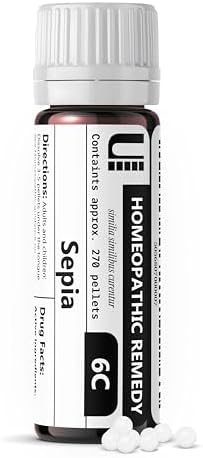
Understanding Sepia Potencies
Selecting the correct potency is essential for optimal therapeutic results. Here is a clear, practical guide to the four most commonly used potencies of Sepia.
Get this at the best price on Amazon
Prices on Amazon change daily — right now this pick is at one of its best prices, with free fast Prime shipping and easy 30-day returns. Check the current price before you buy.
Buy From Amazon As an Amazon Associate I earn from qualifying purchases.Sepia Q (Mother Tincture)
The Q potency (also written as Ø) is the base mother tincture — the foundational extract before any homeopathic dilution takes place.
- Best for: Chronic leucorrhoea (vaginal discharge), skin conditions, hair fall, and supportive liver and hormonal tonic use
- How it is used: 10–15 drops diluted in water, taken 2–3 times daily
- Who it suits: Patients requiring gentle, sustained material-level support for chronic complaints
- Key note: Should be used under the guidance of a qualified homeopathic practitioner, particularly for hormonal and reproductive conditions
Sepia 30
The 30C potency is the most accessible and commonly used potency for acute and mildly recurring conditions. It is widely available and suitable for guided home use.
- Best for: Acute hormonal disturbances, mild PMS symptoms, morning sickness, hot flushes, mild depression, and leucorrhoea
- How it is used: 3–5 pills, 2–3 times daily in acute conditions; reduce frequency as symptoms improve
- Who it suits: Patients with a clear but mild Sepia symptom picture; suitable for initial self-use
- Key note: A good starting potency; well-suited for those new to homeopathic treatment
Sepia 200
The 200C potency acts more deeply and is indicated when symptoms are persistent, recurring, or when the patient’s constitutional picture strongly matches the Sepia type.
- Best for: Recurrent PMS, irregular menstruation, menopausal complaints, postnatal depression, chronic vaginal discharge, and emotional indifference
- How it is used: Once daily or on alternate days; not to be repeated too frequently
- Who it suits: Patients with a well-defined constitutional Sepia picture; those who have not responded fully to 30C
- Key note: Best prescribed by a qualified homeopath for ongoing conditions
Sepia 1M
The 1M potency (1000C) is a high-potency constitutional remedy used for deep, long-standing chronic conditions where the Sepia pattern is firmly and clearly established.
- Best for: Deep hormonal imbalances, chronic depression linked to reproductive events, long-standing indifference in relationships, severe menopausal syndrome, and PCOS with a strong Sepia constitutional picture
- How it is used: A single dose; repeated only after thorough reassessment — may be given once a month or less
- Who it suits: Chronic cases under professional homeopathic management
- Key note: Strictly for use under the supervision of an experienced, qualified homeopath only
Sepia: Key Uses and Benefits
1. Menstrual Disorders
Sepia is one of the most important homeopathic remedies for a wide spectrum of menstrual irregularities. It addresses conditions where the female hormonal system has become sluggish, imbalanced, or dysregulated.
Conditions it helps:
- Irregular periods — too early, too late, or suppressed altogether
- Scanty or profuse menstrual flow
- Painful periods (dysmenorrhoea) — with dragging, bearing-down pelvic pain
- Premenstrual syndrome (PMS) — irritability, weeping, bloating, and fatigue before periods
- Intermenstrual bleeding (spotting between periods)
The hallmark symptom is a bearing-down sensation in the pelvis — as if the pelvic organs are pressing downward and might fall out. This sensation is so characteristic that it alone can strongly indicate Sepia.
2. Menopause and Perimenopause
Sepia is arguably the most frequently prescribed homeopathic remedy for menopausal complaints. It covers the full spectrum of menopausal symptoms with depth and effectiveness.
Menopausal symptoms it addresses:
- Hot flushes — sudden waves of heat, often with sweating, worse in the morning and evening
- Night sweats with exhaustion
- Vaginal dryness and discomfort during intercourse
- Mood swings — sudden weeping, irritability, or emotional flatness
- Loss of libido
- Weight gain around the abdomen
- Urinary incontinence — leaking with coughing, sneezing, or laughing
- Hair thinning and skin changes
Women experiencing menopause who feel emotionally detached from their families, exhausted, and resentful of domestic responsibilities will find a particularly strong constitutional match with Sepia.
3. Leucorrhoea (Vaginal Discharge)
Sepia is one of the premier homeopathic remedies for abnormal vaginal discharge (leucorrhoea). The characteristic Sepia discharge is:
- Yellow or greenish in color
- Offensive in odor
- Associated with itching and burning
- Worse before and after menstruation
- Accompanied by a bearing-down sensation in the pelvis
Both the mother tincture (Q) and 30C are frequently used for this indication, with higher potencies reserved for stubborn or recurring cases.
4. Postnatal Depression and Emotional Exhaustion After Childbirth
Sepia is one of the most important remedies for postnatal depression and the emotional depletion that can follow childbirth. The Sepia mother after delivery may present with:
- Complete emotional detachment from her baby and partner
- Feeling overwhelmed by domestic responsibilities
- Weeping without knowing why
- Irritability and resentment toward family members
- Profound fatigue that is not relieved by sleep
- A desperate desire for personal space and solitude
This is not a sign of a “bad mother” — it is a constitutional state of depletion that Sepia addresses at its root.
5. Hormonal Skin Complaints
Sepia is well indicated for skin conditions that are linked to hormonal changes, including:
- Chloasma (melasma) — brownish or yellowish patches on the face, particularly around the nose and cheeks (the classic “saddle” distribution)
- Acne that worsens around menstruation
- Dry, rough, itchy skin that lacks lustre
- Urticaria (hives) with hormonal triggers
- Herpes — particularly around the lips or genitals, recurring with menstrual cycles
The characteristic yellowish-brown facial discoloration (chloasma) associated with pregnancy or oral contraceptives is one of Sepia’s most distinctive prescribing indications.
6. Morning Sickness During Pregnancy
Sepia is one of the top remedies for nausea and vomiting during pregnancy, particularly when:
- The smell or thought of food — especially previously enjoyed food — triggers nausea
- The smell of cooking is especially nauseating
- Nausea is worse in the morning but may persist throughout the day
- The woman feels irritable, exhausted, and indifferent during pregnancy
- There is an unusual craving for vinegar, pickles, or acidic foods
Always consult a qualified practitioner before using any homeopathic remedy during pregnancy.
7. Prolapse and Pelvic Floor Weakness
Sepia is strongly indicated for conditions involving pelvic organ prolapse or pelvic floor weakness, with symptoms including:
- The classic bearing-down sensation — as if pelvic organs will fall out
- Sensation relieved by crossing the legs
- Dragging pain in the lower back and pelvis
- Urinary stress incontinence
- A feeling of heaviness and pressure in the lower abdomen
These symptoms are most common after multiple pregnancies, difficult deliveries, or during menopause when tissue tone decreases.
8. Emotional and Psychological Symptoms
The psychological dimension of Sepia is among the most clearly defined in the entire homeopathic materia medica. Key emotional symptoms include:
- Indifference — to loved ones, to things once cherished, to life in general
- Aversion to company — desires to be alone, yet fears being alone
- Irritability — particularly toward family members; snaps at those closest to her
- Weeping easily — often without a clear reason
- Sadness and mild depression — particularly linked to hormonal events
- Profound exhaustion — mental and physical fatigue that feels bone-deep
- Loss of joy — activities and relationships that once brought pleasure no longer do
This emotional picture is often seen in women who have been the primary caregivers for years — mothers, nurses, teachers — who have given until they have nothing left.
9. Liver and Digestive Complaints
Sepia has a significant action on the liver and digestive system, particularly in women with hormonal imbalances. Indicated conditions include:
- Nausea and vomiting — worse in the morning, worse from the smell of food
- Constipation with a sensation of a lump or ball in the rectum
- Bloating and flatulence
- Jaundice and liver congestion in the context of hormonal imbalance
- Craving for sour, acidic, or pickled foods
- Aversion to meat and fatty foods
10. Urinary Complaints
Sepia addresses several urinary conditions, especially those linked to pelvic floor weakness or hormonal changes:
- Stress urinary incontinence — involuntary leaking with coughing, laughing, or sneezing
- Frequent urge to urinate with a sense of urgency
- Bedwetting (nocturnal enuresis) in children, especially in the first sleep
- Chronic cystitis with bearing-down sensation
11. Hair Loss and Scalp Conditions
Sepia Q and 30C are frequently recommended for hormonal hair loss, particularly:
- Hair fall associated with pregnancy, postpartum, or menopause
- Thinning of hair at the crown or diffuse thinning
- Dry, brittle hair with scalp sensitivity
- Hair loss associated with hormonal contraceptive use
12. Male Indications
While Sepia is predominantly prescribed for women, men may also benefit from this remedy when the constitutional picture matches, including:
- Prostatic complaints with bearing-down sensations
- Chronic fatigue with emotional detachment and indifference
- Skin conditions with brownish discoloration
- Digestive complaints with nausea and liver involvement
- Sexual indifference and reduced libido in men with a Sepia constitution
The Sepia Constitutional Type
The Sepia constitutional picture is one of the most richly detailed in all of homeopathic literature.
| Feature | Sepia Type |
|---|---|
| Body build | Tall, lean, or medium build; often dark-haired; sometimes sallow complexion |
| Temperament | Indifferent, irritable, independent, reserved |
| Core emotional state | Exhaustion, detachment, resentment |
| Thermal state | Chilly — sensitive to cold, yet hot flushes during hormonal transitions |
| Worst time | Morning, before menstruation, during menopause; 2–5 PM energy slump |
| Better from | Vigorous exercise, dancing, warmth, eating, sleep, crossing legs (pelvic symptoms) |
| Worse from | Cold air, before periods, during menopause, morning, smell of food, consolation |
| Characteristic cravings | Vinegar, pickles, sour foods, sweets, chocolate |
| Characteristic aversions | Meat, fatty foods, milk |
| Key physical sign | Yellow-brown saddle across nose and cheeks (chloasma) |
One of the most important and distinctive features of the Sepia type is that vigorous exercise brings relief — the patient who feels too exhausted and depressed to move will paradoxically feel better after dancing, aerobics, or brisk walking. This distinguishes Sepia clearly from remedies like Pulsatilla, where gentle movement is preferred.
Sepia Dosage Guide
| Potency | Condition Type | Recommended Frequency |
|---|---|---|
| Q (Mother Tincture) | Leucorrhoea, hair fall, skin, liver support | 10–15 drops in water, 2–3x daily |
| 30C | Acute hormonal symptoms, mild PMS, morning sickness | 3–5 pills, 2–3x daily; reduce as symptoms improve |
| 200C | Recurring hormonal complaints, menopause, postnatal depression | Once daily or alternate day; not to be repeated frequently |
| 1M | Deep chronic constitutional cases | Single dose; repeat only under professional evaluation |
⚠️ Important: These are general guidelines only. Individualized dosing by a qualified homeopathic practitioner will always yield the best therapeutic results, particularly for hormonal and emotional conditions.
Sepia Side Effects and Precautions
When used in appropriate potencies, homeopathic Sepia is generally considered very safe. The following precautions should nonetheless be observed:
Possible Aggravations
A brief, temporary intensification of symptoms may occur after the first few doses — particularly at 200C or 1M. This homeopathic aggravation is typically short-lived and is usually followed by noticeable improvement.
Key Precautions
- Pregnancy: Sepia is used in homeopathic practice for morning sickness and emotional symptoms during pregnancy, but must always be taken under the guidance of a qualified practitioner
- Breastfeeding: Consult a professional before use during lactation
- Children: Sepia can be used in children for urinary complaints and skin conditions; dosage should be guided by a professional
- Hormonal conditions: Women with diagnosed hormonal disorders (PCOS, endometriosis, thyroid disease) should use Sepia as part of a professionally managed treatment plan — not as a sole self-prescribed intervention
- Emotional sensitivity: High potencies (200C, 1M) can bring up deep emotional material in sensitive individuals — professional support is advisable
- Avoid antidoting substances: Strong aromatic substances (camphor, mint, coffee) near the time of dosing may reduce the remedy’s effectiveness
When to Seek Conventional Medical Care
Homeopathic remedies complement but do not replace conventional medical treatment. Always seek medical attention for:
- Abnormal uterine bleeding or unexplained pelvic pain
- Suspected reproductive organ pathology
- Severe postnatal depression with suicidal ideation
- Symptoms that do not improve with homeopathic treatment within a reasonable timeframe
Sepia vs. Similar Homeopathic Remedies
| Remedy | Key Differentiating Feature from Sepia |
|---|---|
| Pulsatilla | Gentle, weepy, and clingy; craves comfort and company; warm-blooded; mild disposition |
| Lachesis | Highly talkative and intense; left-sided; symptoms worse after sleep; jealous and suspicious |
| Natrum Muriaticum | Grief-driven; closed and private; worse from consolation; holds onto emotional hurt |
| Lycopodium | More fearful and insecure; bloating worse 4–8 PM; right-sided; needs reassurance |
| Ignatia | Acute grief and emotional shock; sighing and sobbing; rapid mood alternation |
| Calcarea Carbonica | Chilly and overweight; anxious and plodding; craves eggs; overwhelmed by responsibility |
The most important distinction is between Sepia and Pulsatilla — two of the most commonly prescribed women’s remedies. The Pulsatilla patient weeps and seeks comfort; the Sepia patient pushes people away and wants to be left alone. The Pulsatilla patient improves with gentle consolation; consolation often makes the Sepia patient feel worse or more irritated.
Sepia in Different Life Stages of Women
Adolescence
- Establishing irregular or painful periods
- Hormonal acne with bearing-down pelvic discomfort
- Emotional withdrawal and irritability during PMS
Reproductive Years
- PMS, dysmenorrhoea, leucorrhoea
- Morning sickness and emotional changes during pregnancy
- Postnatal depression and exhaustion after childbirth
- Repeated miscarriages with a bearing-down sensation
Perimenopause and Menopause
- Hot flushes, night sweats, vaginal dryness
- Mood changes, emotional detachment, and loss of libido
- Urinary stress incontinence and pelvic prolapse symptoms
- Skin changes and hormonal hair thinning
Later Life
- Urinary incontinence and pelvic floor weakness
- Skin pigmentation changes
- Chronic fatigue and emotional flatness
Frequently Asked Questions (FAQs)
Q: Is Sepia only for women? No — while Sepia is most commonly prescribed for women due to its profound hormonal action, men with a matching constitutional picture (emotional indifference, liver complaints, skin discoloration, chronic fatigue) may also benefit significantly.
Q: How long does Sepia take to show results? For acute conditions like morning sickness or PMS at 30C, some improvement may be noticed within a few days. For deep constitutional or menopausal conditions at 200C or 1M, meaningful change may unfold over several weeks to months.
Q: Can Sepia 200 be taken during periods? Some homeopaths advise avoiding high-potency doses during active menstruation to avoid strong aggravations. Consult your practitioner for personalized guidance.
Q: Can Sepia help with PCOS? Sepia can be part of a constitutional homeopathic approach to PCOS — particularly in women with bearing-down sensations, irregular cycles, hormonal skin complaints, and the emotional Sepia picture. It should be used alongside, not instead of, conventional medical management.
Q: What makes Sepia unique among women’s remedies? The combination of hormonal depth, emotional detachment, and the paradoxical relief from vigorous exercise makes Sepia uniquely identifiable. No other homeopathic remedy captures the picture of the exhausted, indifferent woman who nonetheless feels better after dancing.
Q: Can Sepia be taken with birth control pills or HRT? Homeopathic remedies are not pharmacologically active in the conventional sense and are generally considered compatible with hormonal medications. However, always inform both your conventional and homeopathic practitioners of everything you are taking.
Conclusion
Sepia stands as one of homeopathy’s most profound and irreplaceable remedies — particularly for women navigating the complex hormonal landscape of modern life. From the exhausted young mother who has lost her sense of self, to the perimenopausal woman battling hot flushes and emotional flatness, to the professional woman depleted by years of overgiving — Sepia speaks to a deeply human experience of depletion, disconnection, and the desperate need for restoration.
When the potency is matched precisely to the depth of the condition — Q or 30C for acute and surface-level complaints, 200C for recurring hormonal patterns, and 1M for deep constitutional states under professional care — Sepia has the power to restore not just physical health, but emotional vitality, joy, and a genuine reconnection with oneself and one’s loved ones.
In the hands of a skilled homeopath, Sepia is not merely a remedy — it is a path back to wholeness.
3 Comments