Crataegus Oxyacantha 30, 200, Q, 1M – Uses, Benefits & Side Effects


Crataegus Oxyacantha, commonly known as Hawthorn, is one of the most powerful and
time-tested homeopathic remedies for heart and cardiovascular health. Derived from the
berries, leaves, and flowers of the hawthorn tree, this remedy has been used since the
Middle Ages to treat cardiac disease, hypertension, and chest conditions. In this
comprehensive guide, we cover everything you need to know about Crataegus Oxyacantha
30, 200, Q (Mother Tincture), and 1M — including its uses, key benefits, dosage,
potency selection, and side effects.
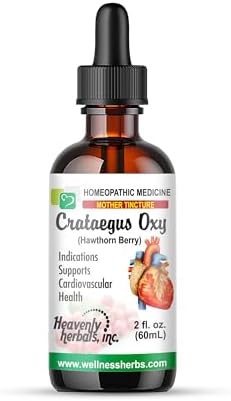

What Is Crataegus Oxyacantha?
Crataegus Oxyacantha (also known as Crataegus Laevigata or Crataegus Monogyna)
is a homeopathic remedy prepared from the ripe berries, leaves, and flowers of the
hawthorn plant. It belongs to the Rosaceae family and is found in North America, North
Asia, and Europe.
In homeopathy, Crataegus Oxyacantha is primarily recognized as a cardiac tonic — a
remedy that acts directly on the muscles of the heart to improve their tone and
functionality. According to William Boericke’s Materia Medica, it produces lowered
pulse, giddiness, air hunger, and a reduction in blood pressure, and has no influence
on the endocardium, making it a unique and safe heart remedy.
Also known as: Crataegus, Hawthorn Berries, Nagaphani (Hindi)
DealBoiron's Best Value Kit: 32 Tubes, 48 Oscillo Doses, All-Season Ready
> 32 assorted 6c/30c tubes, 48 Oscillococcinum doses (4x standard), blue storage drawers, Easy Guide included. Boiron — trusted since 1932. All-season ready.
Buy From Amazon As an Amazon Associate I earn from qualifying purchases.
Source and Preparation
The remedy is prepared by macerating fresh or dried berries, leaves, or flowers of
the Crataegus oxyacantha plant in a solution of alcohol and purified water. The
standard ratio used is typically 1 part plant material to 10 parts solvent. This
base extract is called the Mother Tincture (Q), which is then potentized into various
homeopathic dilutions such as 30C, 200C, and 1M through serial dilution and succussion
(vigorous shaking).
The plant material is rich in:
- Flavonoids (quercetin, vitexin)
- Oligomeric Procyanidins (OPCs)
- Triterpene acids
- Antioxidants
These active compounds are responsible for the remedy’s potent cardiovascular and
anti-inflammatory actions.
Constitutional Type / Patient Profile
Understanding the Crataegus Oxyacantha patient type is essential for effective
homeopathic prescribing. The typical patient presents with:
- Extreme irritability — gets upset over minor issues; cross and snappy behavior
- Mental melancholy and despondency — tends to be sad, apprehensive, and anxious
- Anxiety centered around heart health — constantly worried about heart disease
- Physical over-exertion — a hardworking individual who pushes beyond their
physical limits - Mental dullness — poor concentration, confused thinking
- Nervous and restless temperament — pain in the back of the head and neck
This patient is typically middle-aged or elderly, physically weakened, with a history of
cardiac or circulatory problems.
Key Uses of Crataegus Oxyacantha
Crataegus Oxyacantha is indicated for a wide range of conditions, with its primary
sphere of action being the heart and cardiovascular system.
1. Heart and Cardiovascular Conditions
This remedy acts directly on heart muscle and is indicated for:
- Chronic heart disease with extreme weakness and feeble pulse
- Myocarditis (inflammation of heart muscle)
- Failing cardiac compensation — when the heart can no longer maintain adequate
circulation - Cardiac dropsy — generalized swelling associated with heart failure
- Aortic disease — dysfunction of the aortic valve
- Fatty degeneration of the heart — fat deposits in the myocardial sarcoplasm
causing chest tightness - Valvular murmurs
- Angina pectoris — chest pain due to coronary heart disease
- Arrhythmia — irregular, feeble, accelerated, or intermittent pulse
- Arteriosclerosis — calcareous and crustaceous deposits in arteries
2. High Blood Pressure (Hypertension)
Crataegus Oxyacantha is a well-established remedy for high arterial tension. It
helps lower elevated blood pressure by dilating peripheral blood vessels and improving
coronary blood flow.
3. Dyspnea (Breathlessness)
Patients experience extreme breathlessness on the slightest exertion without a
significant increase in pulse rate — a hallmark symptom strongly indicating this remedy.
4. Nervous System Disorders
The remedy acts as a sedative for cross and irritable patients with cardiac
symptoms. It is useful in:
- Nervousness with pain in the back of the head and neck
- Insomnia in patients with aortic disease
- Anxiety and apprehension related to heart conditions
- General nervous prostration with heart failure
5. Digestive Issues
Crataegus Oxyacantha is also used for:
- Dyspepsia (indigestion) accompanied by nervous prostration
- Gastric complaints associated with heart symptoms
- Stomach pain, bloating, and diarrhea
- Hemorrhage from the bowels (in collapse of typhoid)
6. Circulatory Problems
- Cold extremities due to poor circulation
- Irregular pulse and breathing
- General pallor and yellowish discoloration of skin
- Anemia (less hemoglobin in blood)
- General anasarca (widespread swelling of the body)
7. Diabetes (Especially in Children)
Boericke’s Materia Medica specifically notes the use of Crataegus Oxyacantha in
diabetes, especially in children.
8. Female and Urinary Complaints
- Acts as a sedative to reduce menstrual disorders
- Diuretic properties prevent kidney and bladder stones
- Supports overall urinary tract health
9. Sleep Disorders
Crataegus helps improve sleep quality and is indicated for insomnia, especially
in patients suffering from aortic or cardiac conditions.
10. Skin Conditions
- Cutaneous chilliness and cold skin
- Excessive perspiration
- Skin eruptions
Benefits of Crataegus Oxyacantha
Based on homeopathic materia medica and research on hawthorn extracts, the key benefits
of Crataegus Oxyacantha include:
| Benefit | Description |
|---|---|
| Cardiac Tonic | Strengthens and tones the heart muscle directly |
| Blood Pressure Regulation | Lowers high blood pressure; normalizes low BP |
| Cholesterol Reduction | Dissolves calcareous deposits in arteries |
| Antioxidant Action | Rich in OPCs and flavonoids that combat oxidative stress |
| Anti-inflammatory | Reduces systemic inflammation |
| Vasodilator | Dilates peripheral blood vessels for better circulation |
| Sedative/Calming | Soothes the nervous system without causing dependency |
| Diuretic | Promotes urine flow; prevents kidney/bladder stones |
| Antiarrhythmic | Counteracts rhythm disturbances in the heart |
| Immunity Booster | Supports immune system through antioxidant activity |
Crataegus Oxyacantha Q (Mother Tincture) – Uses & Dosage
Crataegus Oxyacantha Q (Mother Tincture) is the most popular and widely used form
of this remedy in homeopathic practice. It is preferred when immediate and direct
action on the heart is required.
Uses of Q (Mother Tincture)
- Acts as a powerful heart tonic for chronic heart disease
- Used to lower high blood pressure over a period of months
- Recommended for dissolving cholesterol deposits in arteries (tincture form is
specifically advised for this purpose by Dr. K.S. Gopi) - Helpful in mild congestive heart failure to increase cardiac output
- Useful for coronary blood flow improvement
Dosage of Crataegus Oxyacantha Q
Standard Dose: 10 drops of Crataegus Oxyacantha Q in half a cup of water,
twice daily, continued for a few months for chronic conditions.
The mother tincture can be given to patients of any age and sex. It should be taken
on an empty stomach or at least 30 minutes before or after food, coffee, garlic,
camphor, or any strong-smelling substance.
Crataegus Oxyacantha 30 – Uses & Dosage
Crataegus Oxyacantha 30C is the most commonly prescribed potency for routine and
recurring heart-related complaints.
When to Use 30C
- Initial or mild cases of heart weakness, palpitations, or breathlessness
- For patients who are sensitive to higher potencies
- In elderly patients with general cardiac debility
- To begin treatment before gradually increasing potency
- Regular maintenance doses for high blood pressure
Dosage
Standard Dose: 3–5 drops or 2 pills, two to three times daily, until
improvement is observed. Reduce frequency as improvement occurs.
Crataegus Oxyacantha 200 – Uses & Dosage
Crataegus Oxyacantha 200C is used for more pronounced or established cardiac and
nervous system conditions.
When to Use 200C
- Moderate to chronic cardiac complaints not responding to 30C
- Established arrhythmias or irregular heartbeat
- Anxiety and nervousness with heart symptoms (cardiac neurosis)
- Arteriosclerosis with established calcareous deposits
- When symptoms are clearly defined and constitutional features match well
Dosage
Standard Dose: 2 pills or 5 drops, once or twice daily, or as directed by a
qualified homeopath. Do not repeat too frequently at this potency.
Crataegus Oxyacantha 1M – Uses & Dosage
Crataegus Oxyacantha 1M is a high potency reserved for deep constitutional
prescribing and chronic, long-standing conditions.
When to Use 1M
- Deep-seated, chronic cardiac conditions with a clear constitutional match
- Long-standing arteriosclerosis or hypertension unresponsive to lower potencies
- Patients with a strong constitutional picture of the Crataegus type
- Infrequent dosing for deep-acting constitutional treatment
Dosage
Standard Dose: Single dose (2 pills or 5 drops), to be repeated only when
symptoms relapse — typically after several weeks. Always use 1M potency under the
guidance of a qualified homeopath.
Potency Comparison Table
| Potency | Best For | Frequency |
|---|---|---|
| Q (Mother Tincture) | Immediate heart tonic, BP, cholesterol | Twice daily for months |
| 30C | Mild, initial, or recurring cardiac complaints | 2–3 times daily |
| 200C | Moderate/chronic cardiac & nervous conditions | Once or twice daily |
| 1M | Deep constitutional, chronic, long-standing disease | Single dose, repeat as needed |
Modalities (Aggravation & Amelioration)
Symptoms Worsen With
- Exertion — even slight physical activity increases breathlessness and fatigue
- Warm room — stuffy or heated environments aggravate symptoms
- Excitement or emotional stress
- Cold extremities — worsens circulation-related symptoms
Symptoms Improve With
- Rest and quiet
- Fresh, open air
- Gentle, slow movement
- Warmth applied externally
Relationship with Other Remedies
Understanding Crataegus Oxyacantha’s relationship with other homeopathic medicines helps
in clinical practice:
Complementary Remedies
- Digitalis — similar cardiac action; Crataegus is considered gentler
- Cactus Grandiflorus — for constricted heart, angina
- Strophanthus — for weak heart with low blood pressure
Similar Remedies
- Aurum Metallicum — heart disease with deep depression and high BP
- Convallaria — for weak heart with extreme shortness of breath
- Naja Tripudians — valvular disease, weak pulse
Antidoting Remedies
- Camphor
- Coffea
Side Effects of Crataegus Oxyacantha
Crataegus Oxyacantha is considered safe for most people when used in homeopathic
dilutions, with minimal risk of adverse effects. No significant side effects have been
reported in the medical literature for homeopathic potencies (30C, 200C, 1M).
However, the following points should be noted:
- The Mother Tincture (Q), being more concentrated, may occasionally cause mild
gastric discomfort if taken on a full stomach. - Due to its potent action on the heart and circulatory system, individuals already
on allopathic heart medications (such as beta-blockers, digoxin, or blood pressure
drugs) should consult their physician before use, as interactions are possible. - Repeated high-dose subcutaneous injection of tincture (non-homeopathic use) has
been shown in animal studies to have hepatotoxic effects — this is not applicable to
standard oral homeopathic use. - Aggravation (a temporary worsening of symptoms) may occur initially in sensitive
individuals — this is considered a normal homeopathic response and usually subsides
within a few days.
Precautions and Warnings
- Always consult a qualified homeopath or physician before starting Crataegus
Oxyacantha, especially for heart-related conditions or if you are on existing
medications. - Maintain a 30-minute gap between food, drink, coffee, garlic, onion, camphor, or
strong-smelling substances and your homeopathic dose. - Pregnant and breastfeeding women should seek professional advice before use.
- Do not self-prescribe high potencies (200C or 1M) without professional guidance.
- Keep homeopathic medicines away from direct sunlight, heat, and strong odors.
- Store in a cool, dry place in original packaging; keep out of reach of children.
- Do not stop prescribed allopathic cardiac medications without consulting your doctor.
Frequently Asked Questions (FAQs)
Q1. What is Crataegus Oxyacantha used for in homeopathy?
Crataegus Oxyacantha is primarily used as a heart tonic to treat chronic heart disease,
myocarditis, high blood pressure, arteriosclerosis, arrhythmia, breathlessness on
exertion, insomnia, and nervous prostration. It is also beneficial for digestive
complaints, cold extremities, anemia, and menstrual disorders.
Q2. Which potency of Crataegus Oxyacantha is best for heart problems?
For general cardiac support and high blood pressure, Crataegus Q (Mother Tincture)
at 10 drops twice daily is most commonly recommended. For moderate cardiac complaints,
30C is ideal. For deep-seated chronic conditions, 200C or 1M may be used under
professional guidance.
Q3. Can Crataegus Oxyacantha lower blood pressure?
Yes. Crataegus Oxyacantha is a well-known remedy for high arterial tension
(hypertension). It dilates blood vessels and reduces peripheral resistance, thereby
helping to lower elevated blood pressure over time.
Q4. Is Crataegus Oxyacantha safe to take with heart medications?
While homeopathic dilutions are generally safe, individuals taking prescription heart
medications should consult their doctor before use to avoid potential interactions.
Q5. How long does Crataegus Oxyacantha take to show results?
For chronic cardiac conditions, the Mother Tincture is typically continued for a few
months before significant improvement is observed. Acute symptoms may respond faster.
Q6. Can Crataegus Oxyacantha be given to children?
Yes. Crataegus Oxyacantha can be given to children, particularly in lower potencies or
Mother Tincture. It is specifically noted in Boericke’s Materia Medica for diabetes in
children.
Q7. What are the side effects of Crataegus Oxyacantha?
No significant side effects have been reported in homeopathic dilutions. Occasional mild
gastric discomfort with the Mother Tincture is possible. A temporary aggravation of
symptoms in sensitive individuals may occur initially.
Q8. What is the difference between Crataegus 30 and 200?
30C is used for mild to moderate, frequently recurring symptoms and is taken
regularly. 200C is for more established or chronic conditions and is taken less
frequently. 200C requires a clearer constitutional picture of the patient.
Conclusion
Crataegus Oxyacantha stands out as one of homeopathy’s most valuable and
evidence-supported remedies for heart health and cardiovascular wellness. Whether
used as the Mother Tincture (Q) for immediate cardiac support, as 30C for routine
maintenance, as 200C for deeper chronic conditions, or as 1M for constitutional
treatment, it offers a wide therapeutic range without significant side effects.
Its proven ability to act as a cardiac tonic, blood pressure regulator, cholesterol
dissolver, and nervous system sedative makes it an indispensable tool in the
homeopathic physician’s arsenal. As with all homeopathic remedies, proper potency
selection, dosage, and professional guidance are key to achieving the best outcomes.
Disclaimer: This article is for informational and educational purposes only. It
does not constitute medical advice. Always consult a qualified homeopathic physician
or licensed healthcare professional before starting, changing, or stopping any
treatment, especially for heart-related conditions.
Keywords: Crataegus Oxyacantha 30, Crataegus Oxyacantha 200, Crataegus Oxyacantha Q,
Crataegus Oxyacantha 1M, Crataegus Oxyacantha uses, Crataegus Oxyacantha benefits,
Crataegus Oxyacantha side effects, hawthorn homeopathy, homeopathic heart tonic,
Crataegus mother tincture dosageDownload as