Homeopathy for Emergency Kits – Complete Guide


Imagine you’re miles from the nearest pharmacy, a sudden headache pounds, or your child takes an unexpected tumble. In these moments, the desire to act swiftly and effectively, ideally with something gentle and natural, becomes paramount. What if your first line of defense could be a compact, potent kit of natural remedies, working in harmony with your body’s own healing wisdom?
This is where the ancient yet ever-relevant system of homeopathy steps in. Utilizing highly diluted natural substances, homeopathy aims to stimulate the body’s inherent capacity to heal itself, offering a gentle yet powerful approach to acute ailments. For years, families have integrated homeopathy into their daily lives, and its unique properties make it an exceptional candidate for emergency preparedness. Its remedies are known for being safe for all ages, portable, long-lasting, and free from harsh side effects, making them ideal for addressing everything from minor bumps and bruises to emotional shock during unexpected events or even larger-scale disasters.
In this ultimate guide, we’ll delve deep into how you can harness the power of homeopathy to create a robust emergency kit. You’ll discover the fundamental principles behind selecting and administering remedies, explore a comprehensive list of essential remedies for various acute conditions, and learn practical steps for building, maintaining, and confidently using your own homeopathic first aid arsenal. We’ll also touch upon its role in broader disaster readiness, addressing both physical and emotional well-being when conventional resources might be scarce. Are you ready to empower yourself with a holistic approach to immediate care, transforming uncertainty into confidence in any situation?
Main Sections
—

H2: Why Choose Homeopathy for Your Emergency & First Aid Needs?
In an emergency, every second counts, and having immediate, effective, and safe solutions at hand can make a significant difference. Homeopathy offers a unique set of advantages that make it an invaluable addition to any emergency kit, complementing conventional first aid practices rather than replacing them.
- Gentle & Safe, with No Known Drug Interactions: Homeopathic remedies are prepared through a process of serial dilution and succussion, rendering them non-toxic. This inherent gentleness means they are safe for all ages – from newborns and pregnant women to the elderly and even pets. Crucially, they do not interfere with conventional medications, making them ideal for individuals managing chronic conditions or those already on pharmaceutical drugs. You can administer a homeopathic remedy without worrying about adverse side effects or contraindications.
- Stimulates the Body’s Self-Healing: Unlike conventional medicines that often suppress symptoms, homeopathy works by stimulating the body’s innate healing mechanisms. It acts as a catalyst, encouraging your system to restore balance and recover naturally. This approach fosters a deeper, more complete healing response rather than just masking the problem.
- Effectiveness for Acute Conditions: While often associated with chronic conditions, homeopathy truly shines in acute situations. For sudden onset injuries, shock, minor illnesses, bites, stings, and emotional trauma, the right homeopathic remedy can provide rapid relief and significantly shorten recovery time. Its ability to address the totality of symptoms – physical, mental, and emotional – makes it highly effective for the sudden and often overwhelming nature of acute events.
- Portability & Exceptional Shelf Life: Homeopathic remedies are typically small, lightweight pellets or liquid tinctures, making them incredibly portable and perfect for travel or inclusion in a compact emergency kit. When stored correctly (away from strong odors, direct sunlight, and extreme temperatures), remedies can last for decades, often beyond their printed expiry dates, offering reliable preparedness for the long haul.
- Cost-Effective Solution: Once you invest in a core set of homeopathic remedies, they can serve your family for many years and across countless acute situations. Compared to repeatedly purchasing over-the-counter medications, homeopathy presents a highly economical long-term solution for common ailments.
- Empowerment Through Self-Care: Equipping yourself with a homeopathic emergency kit empowers you to take immediate, proactive steps for minor health issues and injuries. This self-reliance is particularly valuable in situations where access to medical professionals might be delayed or limited.
Important Disclaimer: While homeopathy offers profound benefits for acute conditions, it is crucial to understand its role as a complementary system. Homeopathic remedies are not a substitute for conventional medical care in severe, life-threatening emergencies, or for conditions requiring immediate professional diagnosis and intervention (e.g., severe bleeding, suspected fractures, anaphylactic shock, deep wounds, unconsciousness). Always seek qualified medical attention for serious or persistent symptoms.
—
H2: Understanding Homeopathic Principles for Acute Care
To effectively use homeopathy in an emergency, a basic grasp of its core principles is essential. These principles guide remedy selection and administration, ensuring you get the most out of your kit.
The Law of Similars (“Like Cures Like”): This is the foundational principle of homeopathy. It states that a substance which can cause symptoms in a healthy person can, in highly diluted form, cure similar symptoms in a sick person. For example, Allium cepa* (onion) makes your eyes water and nose run – hence, it’s a key remedy for colds with copious watery discharge and burning eyes.
- Minimum Dose & Potency: Homeopathic remedies are prepared through a process of serial dilution and vigorous shaking (succussion). This process potentizes the substance, enhancing its energetic effect while minimizing any material presence.
- Potency: For acute conditions and first aid, potencies of 30C and 200C are most commonly used. A 30C potency is generally considered gentle yet effective for a wide range of acute symptoms, while a 200C is often reserved for more intense symptoms, shock, or strong emotional states. Higher potencies like 1M are sometimes used by experienced prescribers for very profound acute conditions.
- Minimum Dose: Only a very small dose is needed to stimulate the healing response – typically 2-3 pellets or 5-10 drops of a liquid remedy.
Individualization: Even in acute situations, homeopathy emphasizes treating the individual’s unique presentation* of symptoms, not just the disease label. Ten people with a headache might need ten different homeopathic remedies, depending on the specific type of pain, location, accompanying symptoms, and what makes it better or worse.
- Observation is Key: Accurate remedy selection relies heavily on careful observation. Pay attention to:
- Onset: Was it sudden or gradual?
- Sensation: What does the pain feel like (stinging, burning, throbbing, dull)?
- Location: Where exactly are the symptoms?
- Modalities: What makes the symptoms better or worse (heat, cold, motion, rest, pressure, time of day)?
- Concomitant Symptoms: Any other symptoms occurring at the same time (e.g., thirst, restlessness, irritability)?
- Emotional/Mental State: Is the person anxious, fearful, irritable, drowsy?
- Repetition: In acute situations, remedies are often repeated more frequently than for chronic conditions. The general guideline is to repeat a dose when symptoms return or worsen after an initial improvement. As symptoms improve, the frequency of doses should be reduced, and the remedy stopped once significant improvement is sustained. Over-repetition can sometimes lead to an aggravation of symptoms or confuse the healing process.
—
H2: Essential Homeopathic Remedies for Your Emergency Kit: A Comprehensive Guide
Choosing the right remedy depends on matching the totality of the patient’s symptoms (physical, mental, and emotional) to the remedy’s known symptom picture. This guide provides a core set of remedies crucial for any emergency kit, along with their key indications. Always aim for the closest match.
H3: For Injuries, Trauma & Physical Shock
- Arnica montana (Leopard’s Bane):
- Description: The premier remedy for trauma of all kinds.
- Key Indications/Symptoms: Blunt trauma, bruising (internal and external), muscle soreness, sprains, strains, overexertion, shock after injury, concussions. The person often feels “beaten and bruised,” says nothing is wrong, and prefers to be left alone despite obvious injury. Great for post-surgery recovery.
- Potency Suggestion: 30C or 200C.
- Hypericum perforatum (St. John’s Wort):
- Description: The “Arnica of the nerves.”
- Key Indications/Symptoms: Injuries to nerve-rich areas (fingertips, toes, spine, tailbone), crushed injuries, puncture wounds (especially if nerve pain is prominent and shooting upwards), pain after dental work, radiating nerve pain.
- Potency Suggestion: 30C or 200C.
- Ledum palustre (Wild Rosemary):
- Description: Excellent for puncture wounds and bites.
- Key Indications/Symptoms: Puncture wounds (nails, splinters, animal bites, insect stings), black eyes, conditions where the injured part feels cold but is better from cold application. Swelling, discoloration (bluish/purple).
- Potency Suggestion: 30C.
- Ruta graveolens (Rue):
- Description: For injuries to cartilage, tendons, and bones.
- Key Indications/Symptoms: Sprains and strains (especially ankles, wrists), deep bone bruising, tendon and ligament injuries (e.g., tennis elbow), overstraining of eyes (eyestrain). Stiffness and lameness, worse from initial motion but better from continued motion.
- Potency Suggestion: 30C.
- Symphytum officinale (Comfrey):
- Description: The “bone-knitter.”
- Key Indications/Symptoms: Bone injuries (non-displaced fractures, bone bruises, periosteal injuries), pain after a fracture has healed, phantom limb pain, blunt trauma to the eye. Helps accelerate bone healing.
- Potency Suggestion: 30C.
- Calendula officinalis (Marigold):
- Description: A superb antiseptic and wound healer.
- Key Indications/Symptoms: Topical application (tincture or cream) for cuts, scrapes, open wounds, lacerations, surgical incisions, preventing infection, promoting granulation and healing of raw surfaces.
- Potency Suggestion: Mother Tincture (diluted for topical use) or cream.
H3: For Bites, Stings & Allergic Reactions
- Apis mellifica (Honey Bee):
- Description: For conditions resembling a bee sting.
- Key Indications/Symptoms: Insect bites and stings, hives, sudden puffiness and swelling (edema), redness, heat, and stinging, burning pains. Worse from heat, better from cold application. Often restless.
- Potency Suggestion: 30C.
- Urtica urens (Stinging Nettle):
- Description: For burns and hives with intense itching.
- Key Indications/Symptoms: Superficial (1st-degree) burns, scalds, hives (urticaria) with intense itching, stinging, and burning. Often accompanies insect bites with similar symptoms.
- Potency Suggestion: 30C.
- Ledum palustre: (Reiterate for) Bites from insects (mosquitoes, ticks) or animals, especially if cold application brings relief and there is bruising or swelling.
H3: For Digestive Upsets
- Nux Vomica (Poison Nut):
- Description: For overindulgence and digestive complaints from excess.
- Key Indications/Symptoms: Indigestion from overeating, rich or spicy food, alcohol, coffee. Hangovers, nausea, irritable bowels, constipation with ineffectual urging. Irritability, impatience, sensitive to noise/light/odors.
- Potency Suggestion: 30C.
- Arsenicum album (Arsenic Trioxide):
- Description: A primary remedy for food poisoning and gastrointestinal infections.
- Key Indications/Symptoms: Food poisoning, violent vomiting and diarrhea (often simultaneously), burning pains in the stomach/abdomen, extreme restlessness, anxiety, fear (especially of death), chilliness, great thirst for small, frequent sips of water. Worse after midnight.
- Potency Suggestion: 30C or 200C.
- Ipecacuanha (Ipecac):
- Description: For persistent nausea and vomiting.
- Key Indications/Symptoms: Persistent, unremitting nausea that is not relieved by vomiting. Clean tongue (no coating), excessive saliva, vomiting of food or bile. Often accompanied by hemorrhages.
- Potency Suggestion: 30C.
- Pulsatilla nigricans (Wind Flower):
- Description: For indigestion from fatty foods, with changeable symptoms.
- Key Indications/Symptoms: Indigestion from rich/fatty foods, heartburn, changeable symptoms (e.g., diarrhea one moment, constipation the next). Weepy, desires sympathy, feels better in open air, no thirst. Often suitable for children or gentle individuals.
- Potency Suggestion: 30C.
H3: For Acute Fevers & Colds (Sudden Onset)
| Remedy | Onset | Key Symptoms | Modalities (Better/Worse) | Mental/Emotional State |
|---|---|---|---|---|
| Aconitum napellus | Sudden | High fever after exposure to cold, dry heat, no sweat, flushed face, fear, restlessness, thirst for cold water. | Worse at night, in warm room. | Great anxiety, fear of death, panic. |
| Belladonna | Sudden, intense | High, throbbing fever, burning heat, red face, dilated pupils, throbbing pains, often sweating. | Worse from touch, jarring, light, noise. | Delirium, excitability, violent impulses, desire to escape. |
| Gelsemium sempervirens | Gradual | Flu-like symptoms, weakness, drowsiness, heavy limbs, chills up and down the spine, dull headache, no thirst. | Worse from motion, heat. Better from stimulants. | Drowsy, dull, dizzy, desire to be quiet. |
| Bryonia alba | Gradual | Dry cough, stitching pains, headache, great thirst for large drinks, very irritable. | Worse from any motion, better from rest and pressure. | Irritable, wants to be left alone, fears poverty. |
| Ferrum phosphoricum | Gradual, mild | First stage of inflammation or fever, general malaise, mild symptoms, flushed face, often a tissue salt. | Worse at night, from motion. | Mildly anxious, restless. |
- Potency Suggestion: 30C for all.
H3: For Emotional Trauma & Shock
- Aconitum napellus: (Reiterate for) Acute fright, sudden shock, panic attacks, intense fear (especially of death) after a traumatic event, accident, or near-miss. Restlessness with fear.
- Potency Suggestion: 200C for strong emotional shock.
- Ignatia amara (St. Ignatius Bean):
- Description: For acute grief, disappointment, or emotional shock.
- Key Indications/Symptoms: Grief, sorrow, disappointment, hysteria, sighing, lump in the throat sensation, changeable moods (laughing then crying), aversion to consolation. Often after loss or bad news.
- Potency Suggestion: 30C or 200C.
- Opium (Poppy):
- Description: For profound shock, stupor, or fear.
- Key Indications/Symptoms: Deep shock, stupor, unconsciousness after fright or trauma, no reaction to pain, fear remaining from a terrifying event (even if the event is over). Often with red face and heavy breathing.
- Potency Suggestion: 30C or 200C.
H3: Other Useful Remedies
- Chamomilla (German Chamomile):
- Description: For intense pain and irritability, especially in children.
- Key Indications/Symptoms: Extreme irritability, hypersensitivity to pain, teething pain, colic, earaches. Child wants to be carried and is only quieted when carried, one cheek red and hot, the other pale.
- Potency Suggestion: 30C.
- Rhus toxicodendron (Poison Ivy):
- Description: For sprains, strains, and stiffness better from motion.
- Key Indications/Symptoms: Sprains, strains, stiff joints, back pain, muscle soreness. Worse from initial motion, better from continued motion (“rusty gate” sensation). Restlessness, often desires warm applications.
- Potency Suggestion: 30C.
- Cantharis (Spanish Fly):
- Description: For intense burning pains, especially burns and scalds.
- Key Indications/Symptoms: Burns (1st and 2nd degree, with blistering), scalds, intense burning, rawness, and smarting pains. Also for severe urinary tract infections with cutting, burning pain before, during, and after urination.
- Potency Suggestion: 30C.
—
H2: Building Your Homeopathic Emergency Kit: What You Need
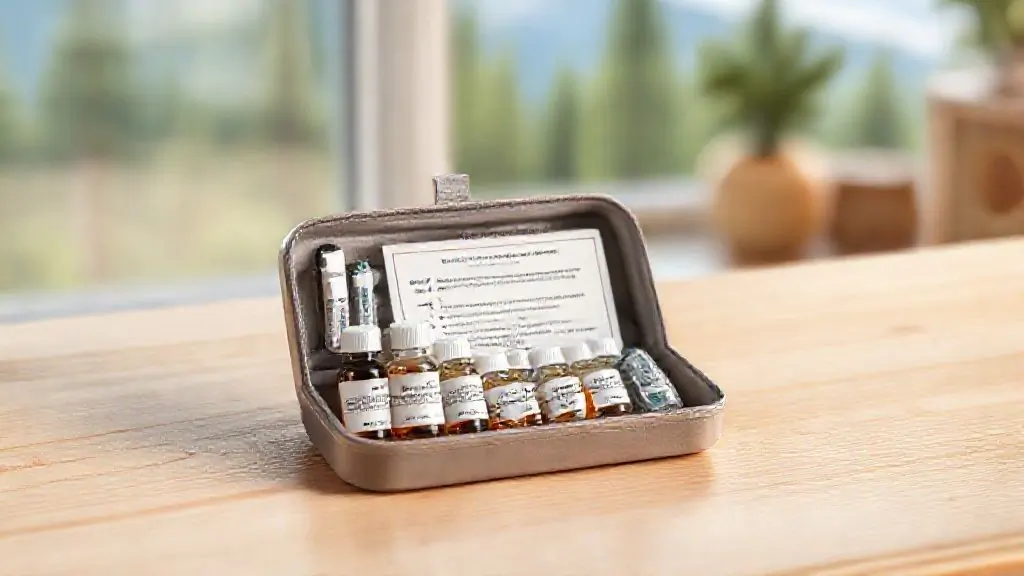
A well-stocked homeopathic emergency kit is a cornerstone of natural self-care. You can either purchase a pre-made kit or assemble a custom one tailored to your specific needs.
- Pre-made vs. Custom Kit:
- Pre-made Kits: Offer convenience and often include a good selection of common acute remedies (typically 10-20 vials). They are an excellent starting point for beginners.
- Custom Kits: Allow you to choose specific remedies based on your family’s history, common ailments, or travel destinations. This can be more cost-effective long-term and ensures you have exactly what you need.
- Essential Components for Your Kit:
- Remedy Vials: A core set of 10-20 remedies in 30C or 200C potency (as listed above). These typically come in small, amber glass vials with tiny pellets.
- Small Water Bottle: A clean, empty 4-6 oz water bottle is invaluable for dissolving pellets to administer liquid doses (especially for infants, pets, or those unable to dissolve pellets under the tongue).
- Remedy Guide/Reference Book: A compact, concise guide (like a printed version of this article or a dedicated homeopathic first aid book) for quick symptom-matching.
- Basic First Aid Additions:
- Tweezers (for splinters).
- Small scissors (for bandages).
- Sterile wipes or alcohol swabs (for cleaning minor wounds).
- Band-aids or small bandages.
- Roll of medical tape.
- Small tube of Calendula cream/gel (for topical wound healing).
- Flashlight/Headlamp: Essential for emergencies in low-light conditions.
- Small Notebook and Pen: To record symptoms, remedies given, and the response. This is crucial for monitoring progress and learning.
- Storage & Maintenance: Proper storage is vital to maintain the efficacy of your remedies.
- Cool, Dark Place: Store your kit away from direct sunlight and extreme temperatures (avoid leaving it in a hot car).
- Away from Strong Odors: Homeopathic remedies are sensitive to strong aromatic substances. Keep them away from perfumes, essential oils, camphor, menthol, coffee, and strong-smelling foods.
- Away from Electronics: There is a theory that strong electromagnetic fields (from phones, microwaves, Wi-Fi routers) can degrade remedies. Keep your kit in a separate drawer or bag.
- Check Expiry Dates: While many remedies can last indefinitely if stored correctly, it’s good practice to check printed expiry dates and replace if uncertain or if the pellets appear degraded.
- Durable, Clearly Labeled Container: A sturdy, water-resistant container that is clearly labeled “Homeopathic Emergency Kit” will protect your remedies and make them easy to find.
- Travel Considerations: When traveling, ensure your kit is compact and easily accessible. Homeopathic remedies are generally permitted in carry-on luggage, but check airline regulations for any liquid tinctures.
—
H2: How to Use Your Homeopathic Emergency Kit: Step-by-Step Guide & Safety
Using homeopathy effectively in an acute situation follows a clear, systematic approach. Precision in observation and administration is key.

Step-by-Step Guide to Administration:
- Step 1: Observe & Assess:
- What are the most prominent symptoms? Be specific: Is the pain dull, sharp, throbbing, stinging? Where exactly is it located?
- What triggered the condition? An injury, a fright, exposure to cold, eating rich food?
- Modalities: What makes the symptoms better (e.g., warmth, cold, pressure, rest, motion) or worse (e.g., touch, noise, specific foods, time of day)?
- Accompanying Symptoms: Are there any other unusual symptoms (e.g., thirst, restlessness, irritability, specific desires or aversions)?
- Mental/Emotional State: Is the person anxious, fearful, irritable, drowsy, weepy?
- Step 2: Select the Best Remedy:
- Consult your homeopathic remedy guide or this article.
- Choose the remedy that most closely matches the totality of the symptoms you have observed. Aim for a high degree of similarity across physical, mental, and emotional aspects. If no single remedy matches perfectly, choose the one that covers the most characteristic and intense symptoms.
- Step 3: Administer the Remedy:
- Dosage: Typically 2-3 pellets (globules) or 5-10 drops of a liquid remedy.
- Method:
- Dry Dose: Place the pellets directly under the tongue (ensure the mouth is free of food, drink, or strong flavors like mint). Allow them to dissolve. Avoid touching the pellets with your hands; tap them directly from the cap into the mouth.
- Wet Dose (for sensitive individuals, infants, or frequent repetition): Dissolve 2-3 pellets in 4-6 oz of clean, filtered water. Stir well. Give 1 teaspoon of this solution. Before each subsequent dose, stir or succuss (strike the bottom of the glass against your palm) the solution 5-10 times to slightly potentize it, then give another teaspoon.
- Frequency:
- Acute, intense symptoms (e.g., severe pain, shock): Repeat every 15-60 minutes for the first few doses.
- Moderate symptoms: Repeat every 2-4 hours.
- As symptoms improve: Reduce the frequency (e.g., every 6-8 hours, then once or twice a day).
- Stop when symptoms significantly improve. Do not continue dosing if the person is clearly better.
- Step 4: Monitor & Re-evaluate:
- Observe changes: Look for improvement in key symptoms, a change in mental/emotional state, or a shift in overall well-being.
- If no improvement after 3-4 doses: The chosen remedy may be incorrect. Re-evaluate symptoms and select a different remedy, or seek professional advice.
- If symptoms change: A new remedy may be indicated if the symptom picture shifts significantly.
—
Detailed Case Study: A Child’s Fall and the Power of Arnica
A common scenario in any household is a child’s unexpected fall. Let’s consider a case:
- Situation: A 4-year-old boy, Leo, was running and tripped, falling hard on his knee and forehead onto a concrete patio.
- Initial Observation (Step 1):
- Physical: Immediate crying, large red bump forming on his forehead, knee scraped and starting to swell, already turning slightly purplish. He pulls away when you try to touch the injured areas.
- Emotional/Mental: He’s tearful, a bit dazed, but insists “I’m okay, leave me alone!” and tries to push away comfort, even though he’s clearly in pain and shocked.
- Modalities: Worse from touch.
- Remedy Selection (Step 2): The key symptoms of blunt trauma, bruising, swelling, shock, and especially the characteristic “leave me alone” despite injury, strongly point to Arnica montana.
- Administration (Step 3):
- Potency: Arnica 200C (for the intensity of the trauma and shock).
- Dose 1: 2 pellets under his tongue.
- Frequency: Given the intensity, repeat every 30 minutes.
- Monitoring & Re-evaluation (Step 4):
- After 30 minutes (Dose 2): Leo is calmer, still a bit tearful, but allows his mom to gently examine his forehead. The swelling seems slightly less pronounced.
- After another 30 minutes (Dose 3): He’s much calmer, has stopped crying, and is now asking for a snack. The swelling and discoloration are noticeably reduced. He’s no longer pushing away comfort.
- Decision: Since significant improvement is observed, reduce frequency. Give another dose in 2 hours, then perhaps twice a day for a day or two to support full healing. Stop when well.
This case illustrates how quickly the right homeopathic remedy can act to alleviate suffering and facilitate healing, especially in acute trauma.
—
Common Mistakes to Avoid:
- Not Observing Properly: Rushing the observation phase leads to an inaccurate remedy choice. Take a few minutes to gather all characteristic symptoms.
- Giving Too Many Remedies: Resist the urge to give multiple remedies at once. Homeopathy works best with a single, well-chosen remedy.
- Not Stopping When Better: Continue dosing only as long as symptoms persist and improve. Once improvement is sustained, stop.
- Over-repetition: While frequent dosing is sometimes needed acutely, don’t keep repeating if there’s no improvement or if symptoms worsen.
- Delaying Conventional Medical Care: The most critical mistake is to rely solely on homeopathy for serious, life-threatening conditions where immediate conventional medical intervention is required.
Important Safety & When to Seek Professional Medical Help:
This is paramount. Homeopathy is a wonderful tool for supporting the body’s healing, but it has limitations. Always err on the side of caution and seek conventional medical attention for serious conditions.
When to Call a Doctor or Emergency Services (and use homeopathy as a supportive measure):
- Severe Bleeding: Deep lacerations, arterial bleeding, wounds that won’t stop bleeding.
- Suspected Fractures/Dislocations: Deformity of a limb, inability to bear weight, severe pain with movement.
- Head Injuries: Loss of consciousness, persistent vomiting, severe headache, confusion, vision changes, unequal pupil size.
- Difficulty Breathing: Severe asthma attack, choking, allergic reactions with airway swelling (anaphylaxis).
- Unconsciousness or Altered Mental State: Fainting, stupor, severe disorientation.
- Severe Allergic Reactions: Rapidly spreading rash, swelling of face/tongue, difficulty breathing.
- Severe Abdominal Pain: Intense, persistent abdominal pain, especially with fever, vomiting, or rigidity.
- Chest Pain: Especially if radiating to arm, jaw, or back; accompanied by shortness of breath, sweating, or dizziness.
- High Fever in Infants (under 3 months): Always requires medical evaluation.
- Symptoms that Worsen Rapidly or Persist Without Improvement: If homeopathic remedies aren’t providing relief, or if the condition deteriorates.
- Any situation where you would normally seek urgent medical attention.
Never delay conventional treatment for serious or potentially life-threatening conditions. Homeopathy can be used alongside conventional care to aid recovery and manage symptoms, but it should not replace it.
—
H2: Beyond First Aid: Homeopathy for Disaster Preparedness & Long-Term Stress
The value of homeopathy extends beyond immediate first aid, playing a significant role in broader disaster preparedness and managing the prolonged stress that often accompanies such events. When conventional medical resources are strained or inaccessible, a homeopathic kit can be a crucial component of holistic survival.
- Addressing Mental & Emotional Aspects: Disasters, whether natural (earthquakes, floods) or man-made, inflict immense psychological trauma. Homeopathic remedies can be profoundly helpful in navigating these emotional landscapes:
- Aconitum napellus: For acute terror, panic attacks, severe anxiety, and fear of death immediately following a traumatic event.
- Ignatia amara: For acute grief, disappointment, shock, hysteria, and changeable moods after loss or bad news.
- Arsenicum album: For deep anxiety, restlessness, fear for survival, despair, and a feeling of insecurity, especially related to health or safety in challenging environments.
- Opium: For profound shock, stupor, or fear remaining from a terrifying experience.
- Managing Minor Ailments in Challenging Environments: In a disaster scenario, access to clean water, food, and hygiene can be compromised, leading to various minor ailments that can quickly become debilitating without intervention.
- Cuts, Scrapes, Minor Infections: Remedies like topical Calendula and internal Hypericum or Ledum can prevent infection and promote healing.
- Digestive Upsets: Contaminated food or water can lead to widespread gastrointestinal issues. Arsenicum album (for food poisoning, burning diarrhea/vomiting with restlessness), Nux Vomica (for indigestion from poor quality food), and Ipecac (for persistent nausea) become vital.
- Fatigue & Exhaustion: Prolonged stress, physical exertion, and lack of sleep can lead to exhaustion. Gelsemium (for weakness, drowsiness, heavy limbs) or Phosphoric acid (for mental and physical exhaustion from grief or overwork) can offer support.
- Fostering a Holistic Survival Mindset: Integrating homeopathy into your disaster preparedness plan is more than just having remedies; it’s about cultivating a mindset of self-reliance and holistic well-being. It empowers individuals to address minor health issues proactively, conserve limited conventional medical supplies for severe cases, and maintain a sense of control and calm amidst chaos. This holistic approach supports not just physical health but also the crucial mental and emotional resilience needed to endure and recover from challenging times.
—
H2: Frequently Asked Questions About Homeopathy for Emergency Kits
Here are some common questions people have when considering adding homeopathy to their emergency preparedness:

Q1: How safe are homeopathic remedies for use in an emergency?
A1: Homeopathic remedies are incredibly gentle and considered very safe for all ages, including infants and the elderly. They work by stimulating your body’s own healing, without harsh chemicals or known side effects. This makes them a wonderful, non-toxic option for immediate first aid needs.
Q2: Can I use homeopathic remedies alongside conventional medicine or other first aid?
A2: Absolutely! Homeopathy is designed to be complementary, not a replacement for conventional care in serious situations. You can safely use homeopathic remedies with medications or alongside standard first aid practices without worrying about drug interactions. It’s about giving your body extra support.
Q3: How quickly can I expect a homeopathic remedy to work in an acute situation?
A3: For acute conditions like a sudden injury or insect sting, you can often see a positive response quite quickly, sometimes within minutes or an hour. The key is to match the remedy closely to the symptoms and repeat doses more frequently initially until improvement is noted.
Q4: What if I choose the wrong homeopathic remedy for the situation?
A4: Don’t worry if you don’t pick the perfect remedy right away. If a remedy isn’t well-matched to your symptoms, it simply won’t have an effect. There are no negative side effects from taking an incorrect remedy, just a lack of improvement, which tells you to re-evaluate and try a different one.
Q5: Do homeopathic remedies expire, and how should I store them in my emergency kit?
A5: When stored correctly, away from strong odors, direct sunlight, and extreme temperatures, homeopathic remedies have an incredibly long shelf life, often lasting for decades. Keep them in their original vials within a sturdy, clearly labeled container to protect them.
Q6: When should I definitely seek conventional medical help, even if I have my homeopathic kit?
A6: This is crucial: homeopathy is never a substitute for professional medical care in serious or life-threatening emergencies. Always call a doctor or emergency services for severe bleeding, deep wounds, suspected fractures, head injuries, difficulty breathing, severe allergic reactions, or any condition where you would normally seek urgent medical attention.
Conclusion: Empowering Yourself with Natural Emergency Care
As we’ve explored, integrating homeopathy into your emergency kit is more than just adding remedies; it’s about embracing a gentle, effective, and empowering approach to immediate health challenges. You’ve learned how these highly diluted remedies can safely and effectively support your body’s innate healing for everything from bumps and bruises to digestive upsets and emotional shock. Building your own kit, understanding key remedies like Arnica and Aconite, and knowing how to administer them thoughtfully provides an invaluable layer of confidence and self-reliance in uncertain times.
For me, there’s immense peace of mind in knowing I have these natural tools at hand, ready to offer comfort and aid to my loved ones. It’s a proactive step towards holistic well-being, complementing conventional care beautifully, and always remembering that for serious or life-threatening situations, professional medical attention remains paramount.

So, why wait? Take the first step today. Begin curating your own homeopathic emergency kit, perhaps starting with a few core remedies, and download our quick-reference guide to keep handy. Empower yourself and your family with the wisdom of natural healing, fostering resilience and calm preparedness for whatever life may bring.