Homeopathy for Minor Burns – Complete Guide
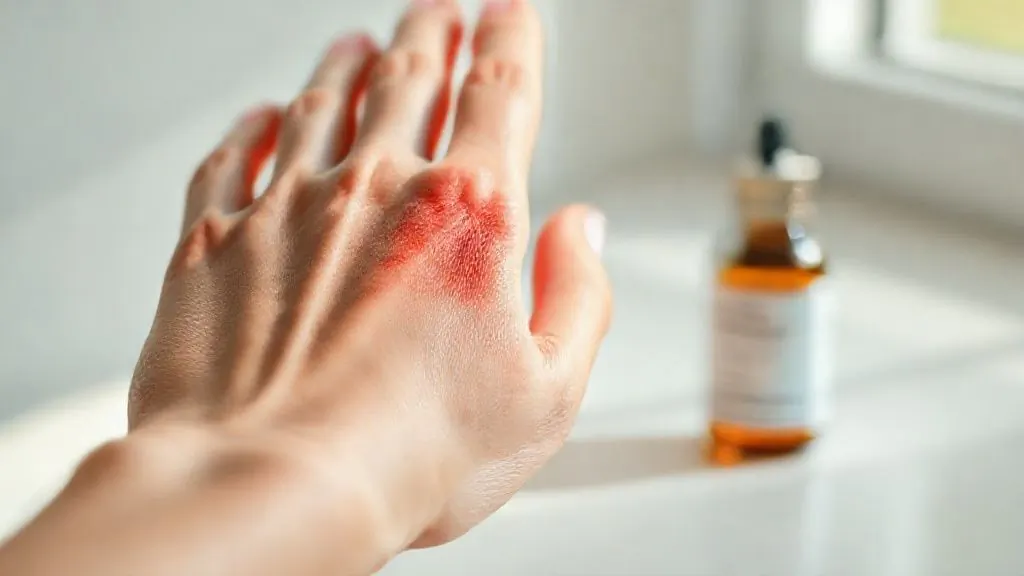


You’re reaching for a hot pan, or perhaps enjoying a sunny day a little too long, and suddenly – that familiar, unwelcome sting of a minor burn. The immediate discomfort, the redness, perhaps even a forming blister, leaves you searching for quick, effective relief. While conventional first aid like cool running water is crucial for immediate relief, many people seek gentle, natural alternatives to support the healing process and minimize discomfort in the days that follow. This is where homeopathy, a holistic system of medicine focused on stimulating the body’s self-healing mechanisms, offers a promising avenue. With its gentle yet profound action, homeopathic remedies can be a safe and effective approach for managing the symptoms of minor burns. In this comprehensive guide, we’ll delve into the world of Homeopathy for Minor Burns, exploring how this natural burn treatment can provide significant relief, reduce inflammation, and accelerate healing. We’ll uncover specific homeopathic remedies tailored to different burn types and symptoms, offer practical advice on their application, and crucially, explain how to integrate these natural solutions safely with conventional first aid for the best possible outcome and safe healing. Ready to discover how to soothe the sting and promote quicker, gentler recovery for your minor burn?
Boiron's Best Value Kit: 32 Tubes, 48 Oscillo Doses, All-Season Ready
> 32 assorted 6c/30c tubes, 48 Oscillococcinum doses (4x standard), blue storage drawers, Easy Guide included. Boiron — trusted since 1932. All-season ready.
Buy From AmazonAs an Amazon Associate I earn from qualifying purchases.Main Sections
I. Understanding Minor Burns and When to Seek Professional Help
A. What Constitutes a Minor Burn?
Before delving into homeopathic treatments, it’s crucial to understand what qualifies as a minor burn. This distinction is vital for determining appropriate care and knowing when professional medical attention is non-negotiable.
- First-Degree Burns: These are the mildest type, affecting only the outermost layer of skin (epidermis). Symptoms typically include redness, minor inflammation, and pain. The skin remains intact, without blistering. A classic example is a mild sunburn or a brief touch of a hot surface.
- Superficial Second-Degree Burns: These burns extend through the epidermis and into the superficial part of the dermis. They are characterized by intense redness, significant pain, swelling, and, most notably, the formation of blisters. These blisters may be small or large and filled with clear fluid. Scalds from hot water or steam, or spills of hot liquids, often result in superficial second-degree burns.
It’s imperative to differentiate these from more severe burns, such as deep second-degree burns (which involve deeper layers of the dermis and may appear white or mottled) or third-degree burns (which destroy all skin layers, often appearing charred or waxy white, and may paradoxically be painless due to nerve damage). Homeopathy, as discussed in this guide, is only suitable for first-degree and superficial second-degree burns.
Boiron's Best Value Kit: 32 Tubes, 48 Oscillo Doses, All-Season Ready
> 32 assorted 6c/30c tubes, 48 Oscillococcinum doses (4x standard), blue storage drawers, Easy Guide included. Boiron — trusted since 1932. All-season ready.
Buy From AmazonAs an Amazon Associate I earn from qualifying purchases.B. Common Causes of Minor Burns
Minor burns are an unfortunate but common occurrence in daily life. Understanding their causes can help with prevention, but also with identifying the type of burn and its potential homeopathic remedy. Common culprits include:
Boiron's Best Value Kit: 32 Tubes, 48 Oscillo Doses, All-Season Ready
> 32 assorted 6c/30c tubes, 48 Oscillococcinum doses (4x standard), blue storage drawers, Easy Guide included. Boiron — trusted since 1932. All-season ready.
Buy From AmazonAs an Amazon Associate I earn from qualifying purchases.
- Scalds: Contact with hot liquids (e.g., boiling water, hot tea, coffee) or steam.
- Contact Burns: Touching hot objects like stoves, irons, curling wands, or exhaust pipes.
- Sunburn: Prolonged exposure to ultraviolet (UV) radiation from the sun.
- Friction Burns: Skin damage caused by rubbing against a rough surface, such as “rope burn” or carpet burn.
- Minor Chemical Burns: Brief exposure to mild irritants or household chemicals, provided the exposure is limited and the chemical is not highly corrosive.
C. Crucial First Aid for Minor Burns
Regardless of whether you intend to use homeopathic remedies, immediate conventional first aid is paramount for any burn. This initial intervention can significantly reduce pain, minimize tissue damage, and prevent complications.
Step-by-Step Conventional First Aid:
- Cool the Burn: Immediately place the burned area under cool (not cold or icy) running water for at least 10-20 minutes. This helps to stop the burning process, reduce pain, and decrease swelling. Never use ice directly on a burn, as it can cause further tissue damage.
- Remove Jewelry/Tight Clothing: Gently remove any rings, watches, or tight clothing from the burned area before swelling begins.
- Clean Gently: Once cooled, gently clean the area with mild soap and water. Avoid scrubbing.
- Cover the Burn: Apply a loose, sterile dressing (non-stick if possible) to protect the burn from infection and further irritation. Do not break any blisters.
- Pain Relief (Optional): Over-the-counter pain relievers like ibuprofen or acetaminophen can help manage discomfort.
D. When to Seek Medical Attention
While homeopathy can be incredibly effective for minor burns, it is crucial to understand its limitations. Certain burn situations demand immediate professional medical attention. Always consult a doctor or emergency services if:
- The burn is larger than 3 inches in diameter or covers a major joint (knee, elbow), the face, hands, feet, or groin.
- The burn is a deep second-degree burn (blisters, white or mottled appearance) or any third-degree burn (charred, waxy white, numb).
- The burn is caused by chemicals or electricity.
- There are signs of infection, such as increasing redness, pus, fever, or red streaks spreading from the burn.
- The burn occurs in infants, young children, or the elderly, as they are more vulnerable to complications.
- You are unsure of the burn’s severity or if it’s healing properly.
II. The Homeopathic Philosophy for Healing Burns
A. Core Principles of Homeopathy
Homeopathy is a holistic system of medicine developed over 200 years ago by Samuel Hahnemann. Its approach to healing, including for burns, is rooted in several core principles:
- “Like Cures Like” (Similia Similibus Curentur): This is the fundamental principle. It means that a substance that can cause symptoms in a healthy person can, in highly diluted form, be used to treat similar symptoms in a sick person. For example, a bee sting causes burning, stinging, and swelling; thus, Apis Mellifica (prepared from bee venom) can be used to treat burns with similar symptoms.
- Minimal Dose: Homeopathic remedies are prepared through a process of serial dilution and succussion (vigorous shaking). This results in extremely dilute preparations, often to the point where no original molecules remain. The belief is that this process imprints an energetic blueprint that stimulates the body’s vital force, rather than relying on a material dose.
- Individualization: Homeopathy treats the individual, not just the disease. Two people with the same type of burn might receive different remedies based on their unique symptom presentation, sensations, emotional state, and modalities (factors that make symptoms better or worse).
- Holistic Approach: Homeopathy considers the whole person – physical, mental, and emotional – recognizing that these aspects are interconnected and contribute to overall health and healing.
B. How Homeopathy Supports Burn Healing
When applied correctly for minor burns, homeopathy aims to support the body’s natural healing processes in several ways:
- Stimulating Innate Healing: Remedies act as catalysts, encouraging the body to heal itself more efficiently.
- Reducing Pain and Burning Sensations: Specific remedies are chosen to match the precise character of the pain (stinging, throbbing, raw, burning).
- Minimizing Inflammation and Swelling: Homeopathic medicines can help to calm the inflammatory response.
- Preventing Blistering or Aiding Resolution: Remedies like Cantharis are renowned for their ability to manage blisters.
- Promoting Tissue Regeneration and Minimizing Scarring: By supporting healthy tissue repair, homeopathy can help ensure a cleaner, faster recovery with less chance of unsightly scars.
- Protecting Against Infection: Remedies can enhance the body’s natural defenses and support wound cleanliness.
C. Safety and Efficacy for Minor Ailments
Homeopathic remedies, when prepared according to pharmacopoeial standards and used correctly for minor ailments, are generally considered very safe. They are non-toxic, non-addictive, and typically do not interact with conventional medications, making them suitable for most people, including children and pregnant women (though consultation with a healthcare provider is always recommended).
However, it is crucial to reiterate that homeopathy is not a substitute for severe burns or immediate medical emergencies. Its efficacy shines brightest in minor, self-limiting conditions like first-degree and superficial second-degree burns, where it can provide gentle, effective relief and support healing. For complex cases, chronic conditions, or any burn beyond the minor category, consultation with a qualified homeopathic practitioner or medical doctor is essential.
III. Top Homeopathic Remedies for Minor Burns
Choosing the right homeopathic remedy depends entirely on the specific symptoms of the burn. Below are the most commonly indicated remedies, along with their key characteristics, modalities, and suggested potencies and dosages for acute minor burns.
—
A. Cantharis (Spanish Fly): The Primary Burn Remedy
Key Indications/Symptoms: This is often the first remedy thought of for burns. It is indicated for intense, raw, excoriated, and violent burning pain*, often described as a “fire inside.” The most characteristic symptom is the formation of marked blistering, often large and quickly forming. The affected skin is bright red and very sensitive to touch.
- Modalities: Worse from touch, cold applications (after initial brief relief), sometimes better from warmth.
- Potency & Dosage Guidance:
- Potency: 6C, 12C, or 30C. 30C is often preferred for acute, intense symptoms.
- Dosage: Dissolve 2-3 pellets under the tongue. For acute, intense pain, repeat every 15-30 minutes for 3-4 doses. As symptoms improve, reduce frequency to every 2-4 hours, then 2-3 times a day until healing.
Topical (Mother Tincture): Cantharis mother tincture diluted (1 part tincture to 10 parts distilled water) can be applied topically as a compress for blistering burns, but only if the skin is unbroken*.
B. Urtica Urens (Stinging Nettle): For Sunburn & Superficial Burns
- Key Indications/Symptoms: Urtica Urens is excellent for superficial burns, especially sunburns, and burns that present with a reddened, stinging, burning, and itching sensation, similar to a nettle rash or hives. There is usually no blistering, or only very fine, small blisters. The skin feels hot and dry.
- Modalities: Worse from cold, touch, water. Better from rubbing (sometimes).
- Potency & Dosage Guidance:
- Potency: 6C, 12C, or 30C.
- Dosage: Dissolve 2-3 pellets under the tongue. For acute sunburn or superficial burns, repeat every 1-2 hours for the first day, then 3-4 times a day as symptoms subside. Continue until relief or healing.
- Topical (Mother Tincture): Urtica Urens mother tincture diluted (1:10 with water) can be applied as a compress to the affected area, especially for widespread sunburn.
C. Causticum (Potash): For Deep Burns & Raw Sores
- Key Indications/Symptoms: Causticum is indicated for burns that are deeper, slow-healing, or for raw, excoriated surfaces that persist after a burn. It’s particularly useful for burns that have a tendency to ulcerate or for old burn scars that are painful or have contractures. The pain is often described as raw or sore.
- Modalities: Worse in open air, better in damp, warm air.
- Potency & Dosage Guidance:
- Potency: 30C is commonly used.
- Dosage: 2-3 pellets, 2-3 times a day for several days, especially if healing is slow or raw areas persist. This is generally a follow-up remedy rather than an immediate acute choice.
D. Arnica Montana (Leopard’s Bane): For Shock and Trauma
Key Indications/Symptoms: Arnica is the quintessential first aid remedy for any* injury involving shock, trauma, bruising, or soreness. For burns, it’s often given immediately after the injury to address the initial shock, pain, and prevent bruising, even before the specific burn remedy is chosen. The person may feel “too sore to be touched” or insist they are fine despite obvious injury.
- Modalities: Worse from touch, motion, jarring.
- Potency & Dosage Guidance:
- Potency: 6C, 12C, or 30C.
- Dosage: 2-3 pellets immediately after the burn. Repeat every 15-30 minutes for 2-3 doses, then 2-3 times a day for a day or two to address the initial trauma.
E. Hypericum Perforatum (St. John’s Wort): For Nerve-Rich Areas
- Key Indications/Symptoms: Hypericum is specific for injuries to nerve-rich areas, and this applies to burns where nerve endings are significantly affected. Think burns to fingertips, toes, or areas with intense shooting, lancinating, or radiating pain. The pain is often disproportionate to the visible injury.
- Modalities: Worse from cold, touch.
- Potency & Dosage Guidance:
- Potency: 30C.
- Dosage: 2-3 pellets, every 2-4 hours, reducing frequency as nerve pain subsides.
F. Calendula Officinalis (Marigold): The Topical Healer
- Key Indications/Symptoms: Calendula is primarily used topically for its remarkable wound-healing, antiseptic, and anti-inflammatory properties. It helps prevent infection, promotes healthy granulation tissue, and speeds up the healing of open wounds, cuts, and burns (after the initial acute phase and cooling). It’s excellent for superficial burns once the initial heat and pain have subsided, or for burns that have already broken the skin.
- Potency & Dosage Guidance:
- Form: Cream, gel, or diluted mother tincture.
Application: Apply a thin layer of Calendula cream or gel 2-3 times a day to clean, unbroken skin or minor open wounds. For diluted tincture (1:10 with sterile water), apply as a compress. Do not apply to fresh, open, or deep burns without medical supervision.*

- Internal: Calendula 6C or 30C can be taken internally (2-3 pellets, 2-3 times a day) to support overall wound healing and prevent infection, especially if there’s a risk of pus formation.
G. Other Supporting Remedies
Apis Mellifica (Honeybee): Indicated for burns with intense stinging, burning, and swelling, much like a bee sting. The affected area is often red, puffy, and sensitive to touch, with pain relieved by cold applications. Potency: 30C; Dosage: Every 30-60 minutes for acute symptoms, then reduce.*
Rhus Toxicodendron (Poison Ivy): Useful for blistering burns with intense itching and restlessness, especially if the blisters appear in clusters and the symptoms are better from warmth and continuous motion. Potency: 30C; Dosage: Every 2-4 hours, reducing with improvement.*
Belladonna (Deadly Nightshade): For burns with sudden onset, intense redness, throbbing pain, heat, and dryness. The skin feels hot to the touch, and there may be a flushed face or dilated pupils. Potency: 30C; Dosage: Every 1-2 hours for acute, intense symptoms, then reduce.*
—
Comparison Table: Top Homeopathic Remedies for Minor Burns
| Remedy | Key Symptoms | Pain Description | Blistering | Modalities (Better/Worse) | Primary Use | Potency & Dosage (Acute) |
|---|---|---|---|---|---|---|
| Cantharis | Intense burning, rawness, severe pain, restlessness | Violent, raw, excoriating burn | Marked, large | Worse: Touch, cold (after initial relief) | Blistering burns, scalds, intense pain | 30C, every 15-30 min (3-4 doses), then reduce |
| Urtica Urens | Red, stinging, burning, itching skin, hive-like rash, hot/dry | Stinging, burning, itching | None or fine | Worse: Cold, touch, water | Sunburn, superficial burns without blisters | 30C, every 1-2 hours (first day), then reduce |
| Causticum | Deep, slow-healing burns, raw surfaces, painful scars | Raw, sore | Late, if any | Worse: Open air; Better: Damp, warm air | Slow-healing burns, old scars | 30C, 2-3 times a day (follow-up) |
| Arnica Montana | Initial shock, trauma, soreness, bruising | Sore, bruised | No | Worse: Touch, motion | Initial trauma, shock from injury | 30C, every 15-30 min (2-3 doses), then reduce |
| Hypericum | Intense shooting/lancinating pain in nerve-rich areas (fingertips, toes) | Shooting, radiating, nerve pain | Variable | Worse: Cold, touch | Burns to nerve-rich areas, severe nerve pain | 30C, every 2-4 hours, then reduce |
| Calendula | Wound healing, infection prevention, granulation | Mild soreness (topical) | No (topical) | N/A (primarily topical) | Topical wound healing, antiseptic | Cream/Gel 2-3x daily; 30C internal 2-3x daily (wound support) |
| Apis Mellifica | Stinging, burning, swelling, puffiness, sensitive to touch | Stinging, burning | Variable | Worse: Heat, touch; Better: Cold applications | Swelling, stinging pain, oedema | 30C, every 30-60 min (acute), then reduce |
—
IV. Practical Application: How to Use Homeopathic Remedies for Burns
Effective homeopathic treatment relies on careful observation and precise remedy selection. Here’s a step-by-step guide to using these natural remedies for minor burns.
A. Potency and Dosage Guidelines
- Common Potencies for Acute Conditions: For acute injuries like minor burns, potencies such as 6C, 12C, or 30C are most frequently used. The “C” stands for Centesimal dilution (1 part substance to 99 parts solvent). A 30C potency means the substance has been diluted 30 times by a factor of 100. Higher potencies (e.g., 200C, 1M) are usually reserved for chronic conditions or under professional guidance.
- Frequency of Dosing: In acute, intense situations (like a fresh burn), remedies may be given more frequently initially.
- Very Acute/Intense Pain: Every 15-30 minutes for 3-4 doses.
- Moderate Pain/Symptoms: Every 1-2 hours.
- Mild Symptoms/Healing Phase: 2-4 times a day.
- As Symptoms Improve: Reduce the frequency. Stop when symptoms are significantly better or resolved.
- Administration:
- Pellets: Do not touch the pellets with your hands. Tip 2-3 pellets (or as directed on the bottle) directly from the cap into your mouth.
- Dissolve Under Tongue: Allow the pellets to dissolve under your tongue. Avoid eating or drinking anything (except water) for 15-20 minutes before and after taking the remedy.
- Liquid Remedies: If using a liquid remedy, follow the specific instructions on the bottle, usually a few drops diluted in a small amount of water.
B. Matching Symptoms to Remedies (The Key to Success)
This is the most crucial step. Homeopathy is highly individualized. You must match the specific, peculiar symptoms of your burn to the remedy that best fits.
Step-by-Step Symptom Matching:
- Observe the Burn’s Appearance: Is it bright red? Pale? Blistered? Are the blisters large or small? Is the skin intact or raw?
- Characterize the Pain: Is it burning, stinging, throbbing, shooting, raw, or sore? What is the intensity?
- Note Sensations: Is there itching, tingling, or numbness?
- Identify Modalities: What makes the symptoms better or worse? Does cold water help initially, then worsen? Does warmth feel better? Is touch unbearable? Is the pain worse at night?
- Consider General State: Is there accompanying shock, restlessness, or irritability?
Detailed Case Study: A Kitchen Calamity
- Scenario: Sarah, 35, was making pasta and accidentally knocked over a pot of boiling water, splashing her forearm.
- Initial Response: She immediately plunged her arm under cool running water for 15 minutes. The area was intensely red and painful, and within minutes, several large, fluid-filled blisters began to form. The pain was a severe, raw, burning sensation, and she felt restless from the discomfort. Cold water provided only momentary relief before the burning returned with a vengeance. She also felt a bit shaky from the shock.
- Symptom Analysis:
- Appearance: Intense redness, large blisters.
- Pain: Severe, raw, burning.
- Sensations: Restlessness.
- Modalities: Pain briefly relieved by cold, then worse.
- General State: Shaky from shock.
- Remedy Selection:
- The prominent large blisters, intense raw burning pain, and initial brief relief from cold followed by worsening strongly point to Cantharis.
- The initial shock and shakiness also suggest Arnica Montana could be beneficial as the very first remedy.
- Homeopathic Treatment Plan:
- Arnica Montana 30C: Sarah took 3 pellets of Arnica Montana 30C immediately to address the initial shock and trauma.
- Cantharis 30C: About 15 minutes later, she took 3 pellets of Cantharis 30C.
- Repeat Dosing: She repeated Cantharis 30C every 30 minutes for the next 3 doses, as the pain was still intense. After 2 hours, the pain had significantly lessened, and the blisters seemed to be stabilizing.
- Reduced Frequency: She then reduced the Cantharis 30C to every 2 hours for the rest of the day, and then 3 times a day for the next 3 days.
- Outcome: Within 24 hours, the intense burning pain had subsided to a manageable ache. The blisters remained intact but did not grow larger. Over the next few days, the blisters gradually reabsorbed without rupturing, and the skin healed remarkably well with minimal scarring.
Common Mistake: Choosing a remedy based only on the “burn” label, rather than the specific symptoms. For example, giving Urtica Urens for a severely blistering burn when Cantharis is clearly indicated, will not yield the best results.
C. Topical Applications for Burns
Topical homeopathic preparations can complement internal remedies, especially for superficial burns or during the healing phase.
- Calendula Cream/Gel:
- How to Apply: After the burn has been thoroughly cooled and cleaned, and once the initial acute phase (intense heat/pain) has passed, apply a thin layer of Calendula cream or gel directly to the affected area.
- Frequency: 2-3 times a day.
- Important Note: Do not apply to fresh, open, or very deep burns without professional medical advice. If blisters are present, apply gently around them, avoiding rupture. Calendula is excellent for preventing infection and promoting healthy skin regeneration once the skin is no longer acutely inflamed.
- Urtica Urens Tincture:
- How to Use: For widespread sunburn or superficial burns (without blistering), dilute Urtica Urens mother tincture (1 part tincture to 10 parts sterile water). Soak a clean cloth or gauze in the diluted solution and apply it as a cool compress to the affected area.
- Frequency: Reapply as needed to soothe the skin.
- General Topical Rule: Always ensure the burn is clean before applying any topical product. If the skin is broken or deeply damaged, consult a healthcare professional before applying anything other than sterile dressings.
D. When to Re-dose, Stop, or Change Remedies
Homeopathic dosing is dynamic and depends on the body’s response.
- Improvement: If you notice significant improvement in symptoms (e.g., pain lessens, redness fades, discomfort reduces), reduce the frequency of dosing. For example, from every 30 minutes to every 2 hours, then 3 times a day. Stop entirely when symptoms are largely resolved.
- Plateau: If symptoms initially improve but then plateau, or if new symptoms emerge, re-evaluate. The initial remedy may have done its job, and a new remedy might be indicated for the remaining symptoms. For example, Cantharis might address the blistering, but if nerve pain persists, Hypericum might be needed.
- No Improvement: If there is no noticeable improvement after several doses (e.g., 4-6 doses over a few hours for acute symptoms), it’s likely you have not chosen the correct remedy. Re-assess all symptoms carefully and try to find a better match from the list. If still no improvement, or if the burn worsens, seek professional medical advice.
- Common Mistake: Continuing to dose a remedy when symptoms have already significantly improved or when the remedy is clearly not working. This can sometimes “overdose” the system or delay finding the correct remedy.
E. Storage and Handling of Remedies
To maintain the efficacy of your homeopathic remedies:
- Keep Away from Strong Odors: Store remedies away from strong-smelling substances like essential oils, perfumes, coffee, camphor, and menthol, which can antidote them.
- Avoid Direct Sunlight and Heat: Store in a cool, dark place.
- Away from Electronics: Keep them away from electromagnetic fields (microwaves, cell phones, computers) as these can also interfere with remedies.
- Seal Tightly: Keep the remedy bottles tightly closed.
V. Integrating Homeopathy with Conventional First Aid and Aftercare
A. Synergy: Homeopathy and Conventional Care
It cannot be stressed enough: homeopathy complements, it does not replace, immediate conventional first aid for minor burns. The initial cooling with running water is a non-negotiable step that can prevent deeper tissue damage and significantly reduce pain. Homeopathic remedies then step in to support the body’s healing mechanisms, reduce inflammation, manage pain, and promote tissue repair in the hours and days following the initial injury. They work in synergy to provide comprehensive care.
B. Post-Burn Care for Optimal Healing
Beyond the acute phase, good aftercare is essential for optimal healing and minimizing complications.

- Keep the Area Clean and Protected: Continue to gently clean the burn and keep it covered with a loose, sterile dressing, especially if blisters are present or have opened.
- Moisturizing (After Healing Begins): Once the skin has closed and is no longer raw, gently moisturize the area with a natural, unscented lotion or Calendula cream to keep the new skin supple and reduce itching.
- Avoid Sun Exposure: New skin is very sensitive to the sun. Protect the healing burn from direct sunlight with clothing or sunscreen for several months to prevent hyperpigmentation and aid in scar reduction.
- Nutrition for Healing: Support your body’s healing process with good nutrition. Vitamin C (for collagen production), Zinc (for tissue repair), and protein are vital.
C. Homeopathic Support for Scar Management
While the primary remedies focus on acute burn care, homeopathy also offers support for minimizing and treating existing burn scars:
- Silicea: Often indicated for keloids or scars that are hard, indurated, and slow to heal.
- Thiosinaminum: Used for dissolving scar tissue and adhesions, particularly old, tough scars.
- Causticum: As mentioned, can be helpful for old burn scars with contractures or rawness.
These remedies are typically taken in higher potencies and over longer periods, usually under the guidance of a qualified homeopathic practitioner.
VI. Frequently Asked Questions
A. Is homeopathy safe for children and pregnant women for minor burns?
Yes, homeopathic remedies are generally considered safe for children and pregnant women when used for minor, self-limiting conditions like superficial burns, as they are non-toxic and highly diluted. However, it’s always prudent to consult a healthcare professional or a qualified homeopath, especially during pregnancy or for young children, to ensure proper remedy selection and dosage.
B. How quickly do homeopathic remedies work for burns?
For acute conditions like minor burns, homeopathic remedies can work quite rapidly. You may notice significant relief from pain and discomfort within minutes to a few hours of taking the correct remedy. The healing process (reduction in redness, swelling, and blister resolution) will also often be accelerated. If there’s no improvement after several doses, it’s an indication that a different remedy may be needed.
C. Can I use multiple homeopathic remedies at once?
Generally, in classical homeopathy, the principle is to use a single, well-chosen remedy that best matches the totality of symptoms. This allows for a clearer observation of the remedy’s effect. However, in acute first aid situations, it is sometimes acceptable to give Arnica first for shock/trauma, followed by a specific burn remedy (e.g., Cantharis) a short time later, if both are clearly indicated by distinct symptom pictures. Avoid combining multiple remedies simultaneously without professional guidance.
D. What potencies are best for acute burn injuries?
For acute minor burns, low to medium potencies like 6C, 12C, or 30C are most commonly recommended and readily available. 30C is often a good starting point for acute, intense symptoms. Higher potencies (e.g., 200C) are typically reserved for more severe acute situations or chronic conditions and are best administered under the guidance of a professional.
E. Are there any side effects to homeopathic burn remedies?
Homeopathic remedies, due to their extreme dilution, are considered free of chemical side effects. When the correct remedy is chosen, it stimulates the body’s natural healing. Occasionally, a person might experience a temporary “aggravation” where symptoms briefly intensify before improving. This is usually mild and short-lived and is considered a sign that the remedy is working. If symptoms worsen significantly or persist, discontinue the remedy and consult a healthcare professional.
VI. Frequently Asked Questions
Got more questions about using homeopathy for minor burns? Here are some common concerns addressed simply:
A. Is homeopathy safe for children and pregnant women for minor burns?
Yes, homeopathic remedies, due to their highly diluted nature, are generally considered safe for children and pregnant women when treating minor burns. However, it’s always wise to consult with a healthcare professional or a qualified homeopath, especially for very young children or during pregnancy, to ensure the correct remedy and dosage.
B. How quickly do homeopathic remedies work for burns?
The speed at which homeopathic remedies work can vary depending on the individual, the severity of the burn, and the accuracy of the chosen remedy. For acute minor burns, you might notice initial relief from pain or stinging within minutes to a few hours. Consistent improvement should be observed over the next day or two, prompting a reduction in dosing frequency.
C. Can I use multiple homeopathic remedies at once?
In homeopathy, the general principle is to use one carefully selected remedy at a time that best matches the totality of your symptoms. Using multiple remedies simultaneously can sometimes confuse the body’s healing response or make it harder to assess which remedy is working. If your symptoms change, you would then switch to a different, more appropriate remedy.
D. What potencies are best for acute burn injuries?
For acute conditions like minor burns, lower potencies such as 6C, 12C, or 30C are commonly recommended. These potencies are usually sufficient to stimulate the body’s healing response effectively for immediate symptoms. Higher potencies are generally reserved for chronic conditions or under the guidance of a professional homeopath.
E. Are there any side effects to homeopathic burn remedies?
Homeopathic remedies, being highly diluted, are generally free from the conventional side effects associated with pharmaceutical drugs. You typically won’t experience adverse reactions in the way you might with stronger medications. However, if you feel any discomfort or your symptoms worsen significantly after taking a remedy, stop use and consult a healthcare professional.
Conclusion
In summary, homeopathy offers a gentle yet powerful approach to managing minor burns, providing supportive care that complements conventional first aid. We’ve explored how specific remedies like Cantharis, Urtica Urens, and Calendula can significantly ease discomfort, reduce inflammation, and promote faster, cleaner healing. It’s truly empowering to know that you have these natural, individualized tools to support your body’s remarkable ability to recover from everyday mishaps.

I encourage you to thoughtfully explore incorporating these well-indicated homeopathic solutions into your home’s natural first-aid kit. Empower yourself with knowledge, trust in nature’s wisdom, and always remember to prioritize safety by consulting a healthcare professional for severe burns or any persistent concerns.
Similar Posts